XRP Wallet Introduction
An XRP wallet is the interface that allows you to interact directly with the XRP blockchain and store, send, receive, and manage XRP with a simple flow. XRP has its own ecosystem, transaction model, and infrastructure that influence how XRP wallets work.
The idea that a wallet stores coins is one of the most common misconceptions about cryptocurrency wallets. It doesn't. An XRP wallet stores and protects the private keys that control access to your funds. Those private keys are meant to enable security for XRP wallets and authorize transactions. The XRP itself always remains on the XRP Ledger, while the wallet acts as the link between you and the network.
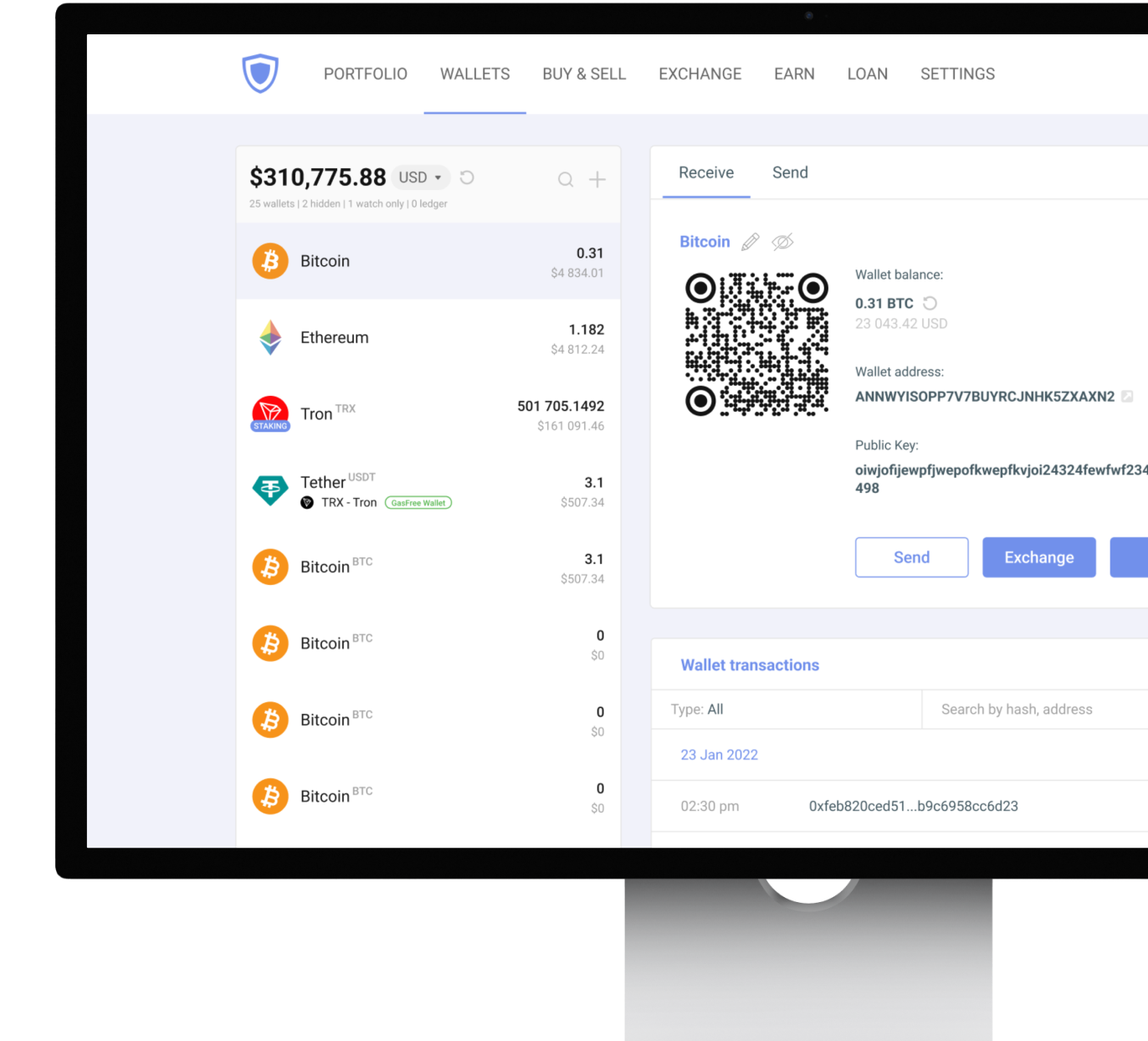
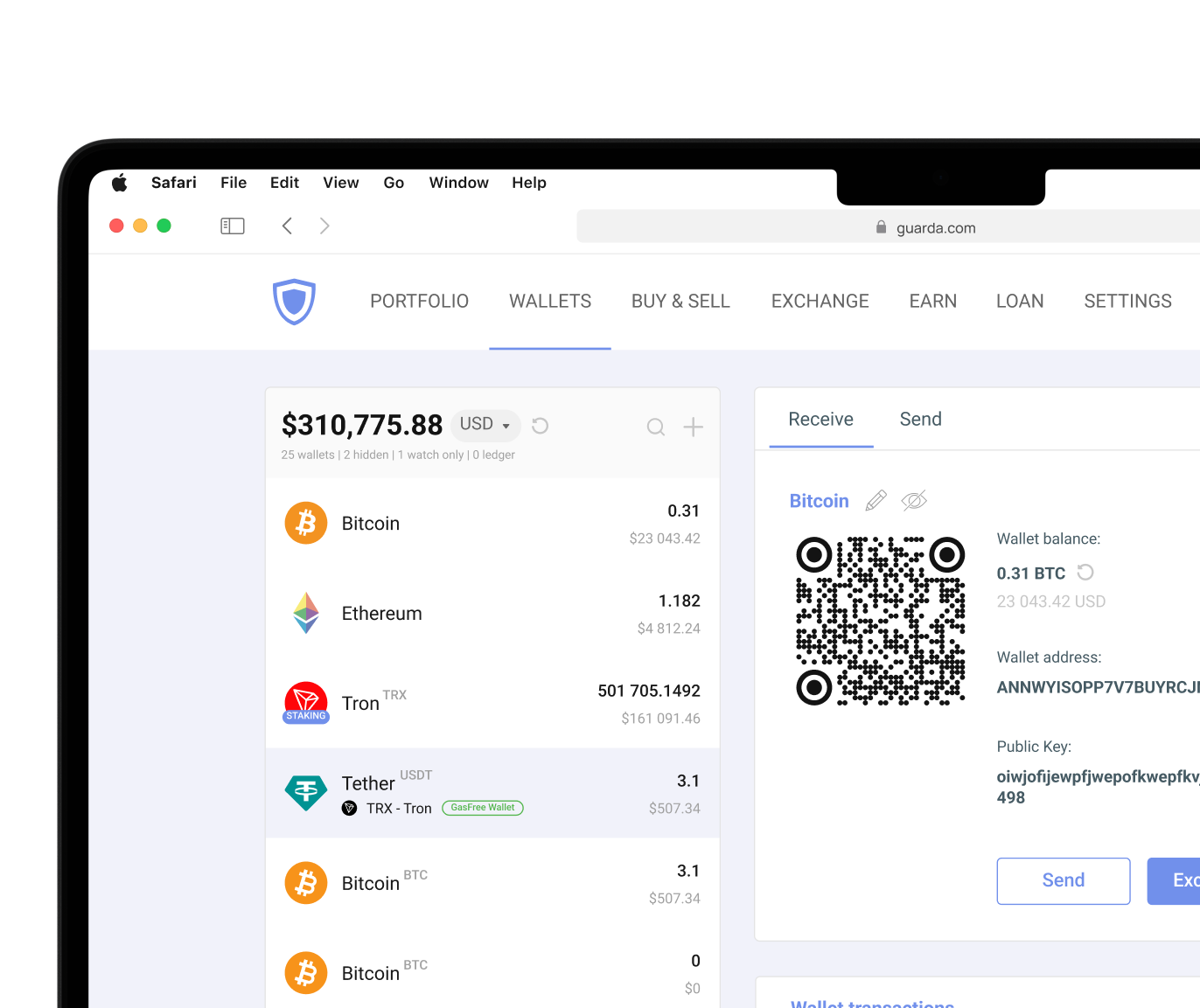
You can choose between software wallets, hardware wallets, mobile or desktop apps, and web-based solutions. Guarda Wallet provides all these ways to access and manage XRP. This flexibility allows users to choose the format that best fits their workflow while maintaining access to the same crypto storage and asset management capabilities across devices. The right setup depends on how often you use XRP, how much you hold, and what level of accessibility and security you prefer.
What is an XRP Wallet?
An XRP wallet is a type of cryptocurrency wallet designed specifically for interacting with the XRP Ledger. The wallet enables easy access to your public address for receiving funds and manages the credentials required to use and move XRP.
XRP coins are not stored inside the application itself. The XRP Ledger records balances and transactions, while the wallet manages access permissions. In simple terms, the ledger stores the data, and the wallet stores the credentials.
In a non-custodial wallet, those credentials are your private keys. The non-custodial wallet generates the seed phrase and private keys locally on your device and doesn't control them. It protects those private keys and interacts with them to authorize outgoing transactions.
Whoever possesses the private keys controls the funds. This is why self-custody remains one of the most important concepts in cryptocurrency ownership. A custodial provider typically manages private keys of clients, while a non-custodial XRP wallet keeps control directly in the user's hands.
XRP Ledger: The Technology Behind Your Wallet
Every XRP wallet relies on the XRP Ledger as its underlying infrastructure. The XRP Ledger processes XRP transactions, records balances, and maintains the shared state of the network.
The XRP Ledger does not rely on mining and implements its own consensus protocol, RPCA. Validators communicate with one another to confirm transactions and be in agreement on the network state. Transactions settle quickly and costs stay low. XRP transactions typically settle within 3–5 seconds, and the network is capable of handling approximately 1,500 transactions per second (TPS). Those characteristics are very convenient for sending funds across borders, handling business payments, or moving XRP between accounts.
The XRP Ledger is the infrastructure that allows XRP wallets to operate effectively. When a transaction is sent, the wallet communicates with the network, the consensus mechanism validates the transaction, and the ledger records the result. Users can independently verify wallet activity, balances, and transaction details through XRPSCAN, one of the most widely used blockchain explorers in the XRP ecosystem.
XRP Wallet Options Based on Industry Experience
The best XRP wallet solution depends on if your priority is security, simplicity, active operations, or lasting storage.
For everyday management, non-custodial software wallets generally offer the best balance between security and usability. Mobile and desktop wallets make it easier to send XRP, monitor balances, and access blockchain services. For long-term holdings, many users prefer hardware wallets because they provide cold storage and keep private keys offline.
Software Wallets
Software wallets are available as desktop applications, mobile apps, browser extensions, and web-based platforms. They are accessible from nearly anywhere.
A reputable XRP wallet app should prioritize both usability and security. Non-custodial tools give you direct control over your private keys and a clean, straightforward interface for managing and reviewing transactions. Guarda, for instance, supports XRP across desktop, mobile, web, and browser extension. The browser extension is especially useful for users who want quick access from their browser while managing XRP and other assets in the same Guarda ecosystem.
When evaluating a secure software wallet, look for:
- Non-custodial private key management
- Regular security updates
- Backup and recovery options
- Biometric authentication where available
- Responsive customer support
Hardware Wallets for Long-Term XRP Storage
Hardware wallets are the type of cold wallets that are often considered the benchmark for long-term cryptocurrency security because they keep private keys offline. The cold storage method helps protect against many common online threats, including malware, phishing attacks, and unauthorized remote access. Software wallets operate on internet-connected devices, while a hardware wallet stores sensitive credentials inside a dedicated device.
That said, a hardware cryptocurrency wallet is not necessarily the only solution for every situation. Active traders and users who move XRP regularly find the extra steps and physical ownership of the device inconvenient. Every transaction requires the device. It's more like a safe for XRP.
It's also important that "non-custodial" is not a synonym for "cold storage." Many software wallets are non-custodial and provide strong security but still are connected to the internet, meaning they are "hot" wallets.
In practice, many experienced users combine multiple wallet types rather than relying on a single solution. The wallet should fit the job, not the other way around. But for users holding large amounts of XRP, a hardware wallet can provide additional confidence.
Non-Custodial Hot Wallet Security Checklist
- Store your recovery phrase offline and never share it with anybody.
- Use a strong password for each wallet.
- Set up biometric authentication if available.
- Update your wallet and device regularly.
- Be cautious of phishing emails, fake support messages, and questionable links.
- Download wallet applications only from official sources.
- Keep only actively used funds in internet-connected wallets.
Desktop and Web3 Wallet Solutions for XRP
Desktop wallets are software wallets that offer larger interfaces compared to mobile wallets. They expand portfolio management tools for users who regularly manage XRP as a pro.
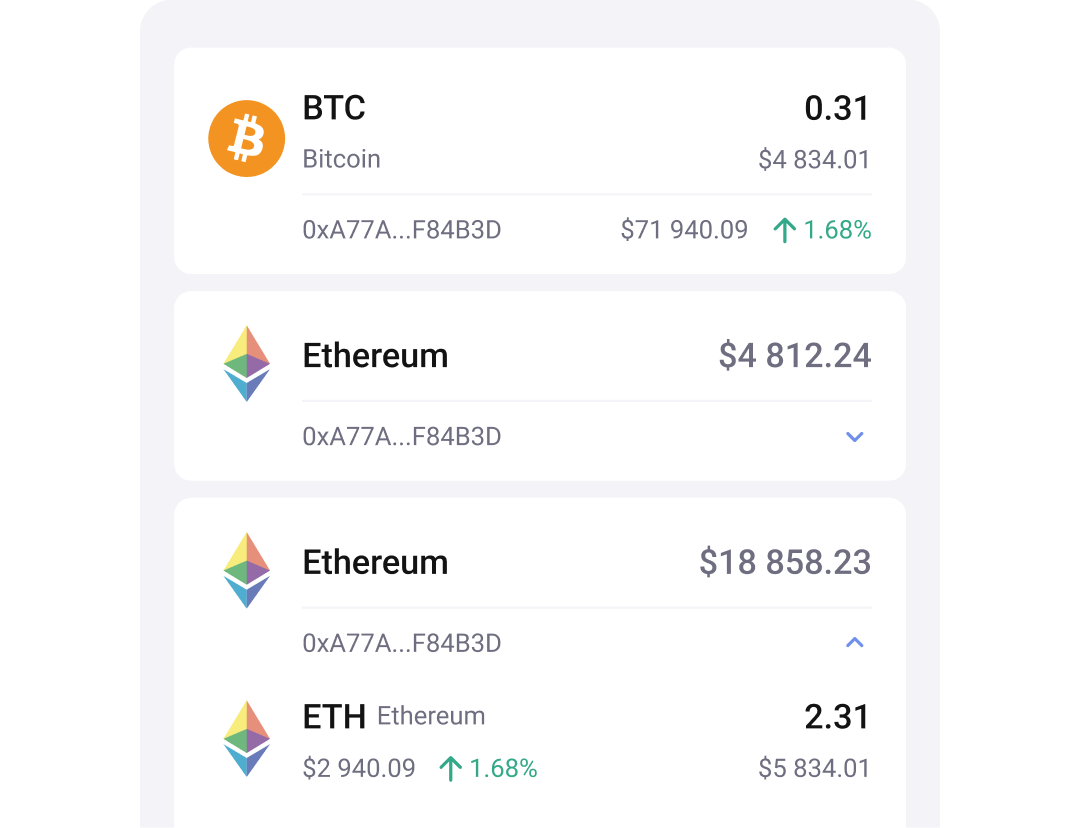
Web3 functionality is getting increasingly important. Non-custodial wallets like Guarda allow users to interact with decentralized applications, manage multiple assets, and access blockchain services from a single interface.
For XRP users, desktop Web3-compatible wallets can offer:
- Multi-platform access across desktop, mobile, and web
- Non-custodial private key management
- Cross-device wallet synchronization
- Transaction history and portfolio tracking
- Asset management beyond XRP
- Recovery phrase backup options
- Live customer support and educational resources
- Secure access to emerging Web3 services
Guarda combines desktop, mobile, web, and browser-based access in a single non-custodial ecosystem. This allows users to manage XRP across multiple devices while maintaining control over their private keys and recovery data.
Cryptocurrency involves risk. This article is for informational purposes only and does not constitute financial advice. Always conduct your own research before using any wallet or investing in digital assets.




 Google
Chrome
Google
Chrome Brave
Brave