USDC Wallet Introduction
A USDC wallet allows users to store, send, receive, and manage USD Coin (USDC) across multiple blockchain networks. Because USDC maintains a value close to one U.S. dollar, many people use it for payments, transfers, trading, savings, and decentralized finance activities.
Unlike a traditional bank account, a cryptocurrency wallet gives users direct access to their digital assets through private keys. The wallet becomes the main tool for managing USDC balances, approving transactions, and connecting to blockchain applications.
USDC itself is a stablecoin created by Circle with support from Coinbase. It operates on Ethereum and several other networks, which makes wallet compatibility an important priority. The right USDC wallet can simplify everyday transactions, improve digital security, and provide access to a growing ecosystem of blockchain-based financial services.
What is USDC?
USD Coin (USDC) is a dollar-backed stablecoin that combines blockchain technology with the stable nature of traditional currency. Circle manages the stablecoin and backs its circulating supply with cash and short-term U.S. Treasury assets. This reserve structure helps USDC maintain a value very close to one U.S. dollar.
Circle originally launched USDC with the support of Coinbase, and the two companies helped make it one of the most recognized and transparent stablecoins in the industry. USDC began as an ERC-20 token on Ethereum, and Circle later added support for additional networks. USDC is now available on Ethereum, Solana, TRON, Algorand, Stellar and many other blockchains.
Many people use USDC as a digital alternative to cash because it maintains a stable value. Users move it across borders to family members or employees, trade cryptocurrencies against it, hold it in times of volatile markets, and use it within DeFi.
Keeping Your USDC Wallet Secure
Security starts with protecting the credentials that control your funds. Private keys control access to USDC funds and authorize every transaction. Anyone who gains access to those private keys can move the associated USDC, which is why they must remain confidential at all times.
Strong cybersecurity is multi-layered. Passwords, secure backups, device security, encryption, and careful verification habits all help reduce risk. A cryptocurrency wallet protects private keys, but users must also protect the environment where those credentials are kept. For example, phishing attacks often target USDC wallet information. Attackers create fake websites, pretend to be support team members, and even send deceptive emails in order to steal private keys or login details.
Recommended security tools and practices:
- Store recovery phrases offline
- Never share private keys
- Use strong and unique passwords
- Enable two-factor authentication whenever available
- Download wallet software only from official sources
- Verify wallet addresses before sending funds
- Keep devices and software updated
- Avoid suspicious links and attachments
- Maintain secure backup copies
- Consider hardware wallets for larger balances
Types of USDC Wallets
Several USDC wallet categories exist, and each one balances security, convenience, and responsibility differently. The three main approaches are self-custody wallets, custodial wallets, and hardware wallets.
A self-custody wallet is a type of USDC wallet that gives control directly to the user. Users manage their own private keys, recovery phrases, and security settings. Mobile wallets, desktop wallets, web wallets, and browser extensions often fall into this category.
A custodial wallet is another type of USDC wallet, but a service provider manages the private keys on behalf of users. Crypto exchanges commonly use this model. Yes, custodial wallets simplify account recovery and onboarding, but users have no choice but to trust the provider to secure their assets.
A hardware wallet is the most security-focused type of USDC wallet. Hardware wallets store private keys offline and reduce exposure to online threats.
| Wallet Type |
Security Level |
Convenience |
Best For |
Recommendation |
| Self-Custody Wallet |
High |
High |
Most users |
Recommended |
| Custodial Wallet |
Medium |
Very High |
Beginners and active traders |
Situational |
| Hardware Wallet |
Very High |
Medium |
Long-term storage |
Recommended |
| Mobile Wallet |
High |
Very High |
Daily transactions |
Recommended |
| Desktop Wallet |
High |
High |
Portfolio management |
Recommended |
| Web Wallet |
Medium |
High |
Quick access |
Use carefully |
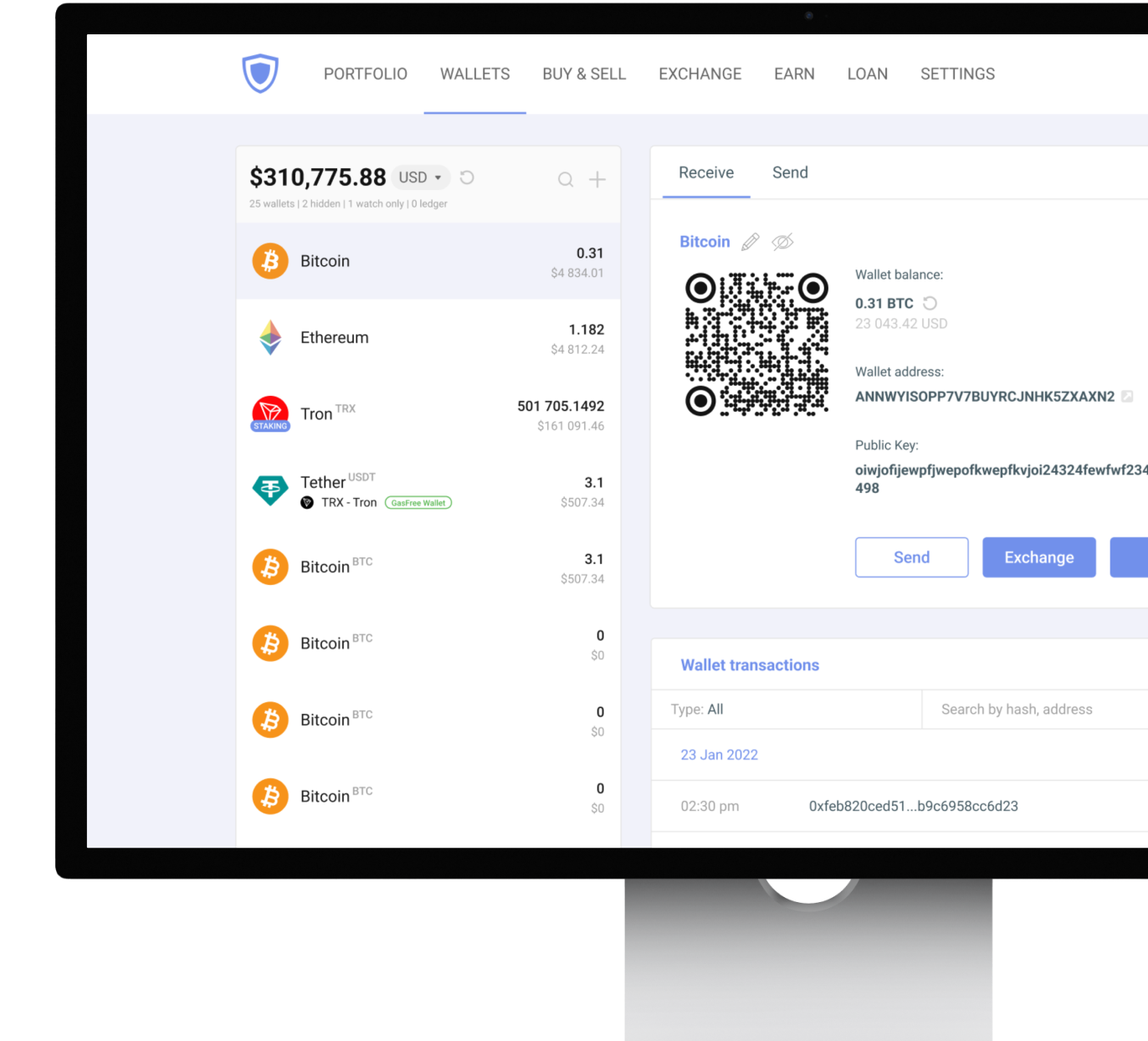
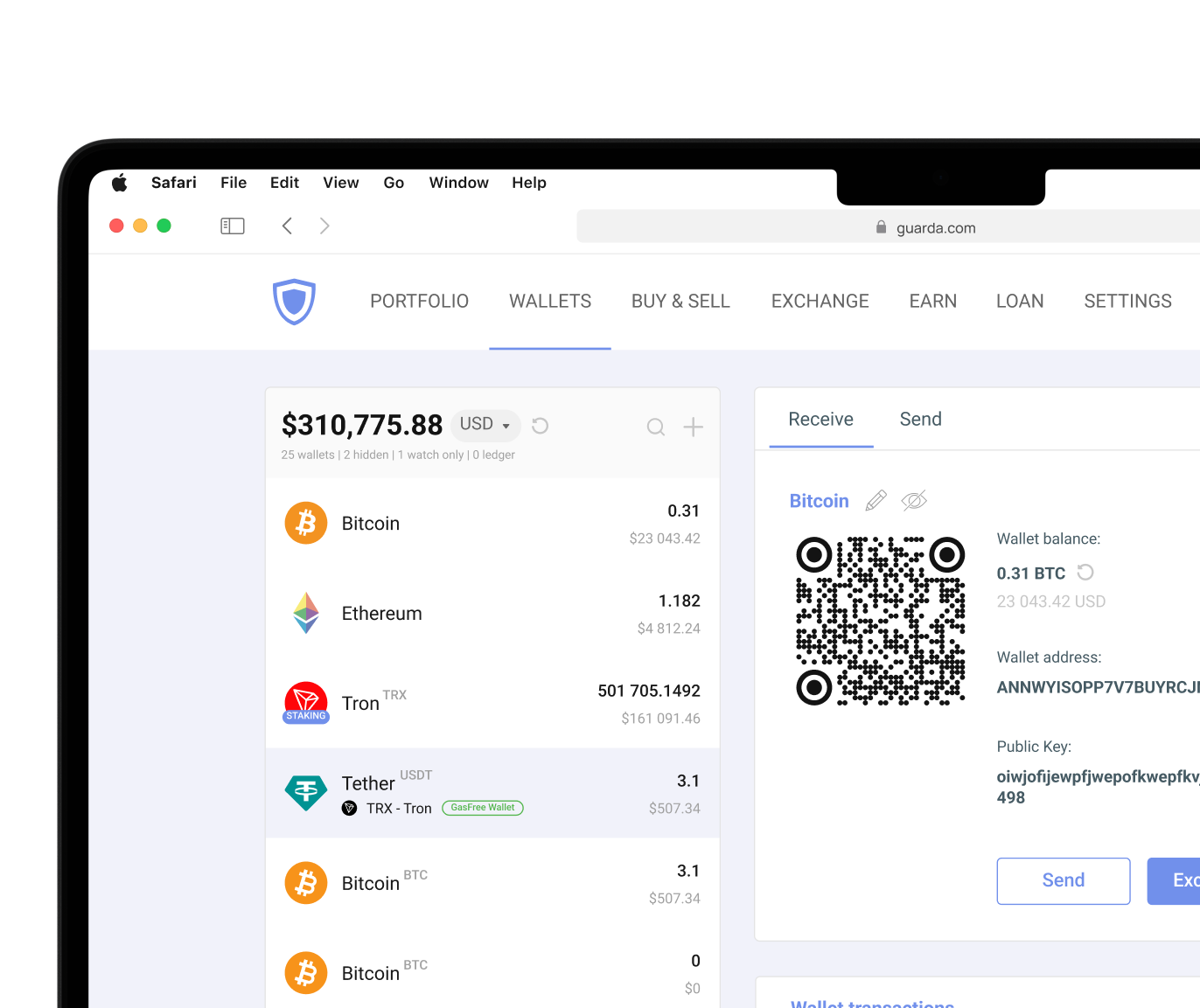
Guarda Wallet supports USDC across desktop, mobile, web, and browser extension platforms. As a non-custodial wallet, it gives users direct control over their private keys while providing access to USDC across multiple blockchain networks.
Self-Custody vs. Custodial USDC Wallet Solutions
The biggest difference between wallet types comes down to private key ownership. Self-custody wallets prioritize ownership and independence. Custodial wallets prioritize convenience and simplified account management. The right option depends on how much responsibility a user wants to handle personally.
A self-custody wallet gives control directly to you. The wallet generates a recovery phrase that can restore access if a device is lost or replaced and creates private keys locally. Because private keys control access to USDC funds, keep them secret at all times. That way users gain complete ownership of their assets, but they also take responsibility for security, backups, and wallet recovery. For that reason, self-custody wallets require a basic understanding of security best practices. Guarda Wallet follows the self-custody model and allows users to manage USDC across multiple devices without surrendering control of their private keys.
A custodial wallet takes a different approach. A service provider manages private keys on behalf of users. Most cryptocurrency exchanges use this model because it simplifies account recovery and removes some technical responsibilities. While users benefit from convenience, they rely on the provider to secure and manage their assets.
Hardware vs. Software USDC Wallets
Software wallets run on smartphones, computers, and web browsers. They prioritize accessibility and make everyday asset management much easier. Among convenient wallet solutions, non-custodial wallets like Guarda provide a strong balance between security and usability. They keep users in control of their private keys while offering access across multiple devices and blockchain networks.
Hardware wallets store private keys offline and require physical possession of the device to approve transactions. This cold storage model protects assets against many online attacks and greatly reduces exposure to malware, phishing, and compromised computers. Ledger devices remain among the most popular hardware wallet options and integrate with Guarda as compatible software wallets.
Many users combine both tactics. They use Guarda for daily transactions, portfolio management, and blockchain interactions, while adding a hardware wallet as an extra layer of protection for long-term holdings. This combination delivers the convenience of a software wallet alongside the enhanced security of offline key storage.
Multi-Chain USDC Wallet Support
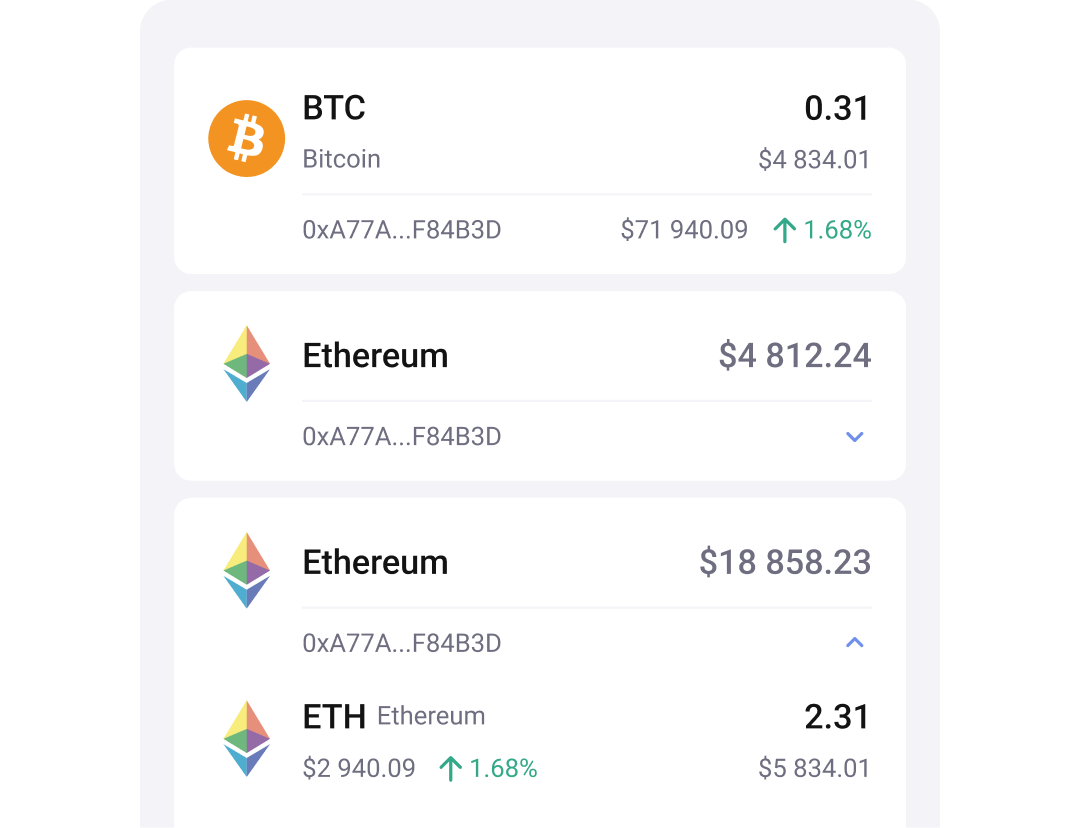
USDC's availability across multiple blockchains gives users more flexibility than many other digital assets. USDC operates on the Ethereum blockchain, Solana, TRON, Algorand, Stellar, and several other networks supported by Circle. Each blockchain offers different transaction speeds, ecosystem integrations, and fee structures.
A proper USDC wallet is able to handle multiple blockchains and allow users to manage USDC across different networks without switching between multiple applications. This flexibility simplifies portfolio management and helps users choose the most efficient network for a particular transaction.
Network choice is so important because it also affects transaction costs. Ethereum often provides broad compatibility and access to decentralized finance applications, but network activity can increase fees. Solana and TRON often offer lower-cost alternatives for transferring the same amount of USDC. So, before choosing a wallet, confirm that it supports the blockchain where your USDC resides. A wallet may support USDC on Ethereum but not necessarily on every other network where USDC operates.
Cryptocurrency involves risk. This article is for informational purposes only and does not constitute financial advice. Always conduct your own research before using any wallet or investing in digital assets.




 Google
Chrome
Google
Chrome Brave
Brave