EURC Wallet Introduction
An EURC wallet is the tool users need to store, send, receive, and manage EURC securely. Since EURC represents euro value on-chain, wallet choice affects security, access, and how easily users can move funds across supported blockchain networks.
Circle issues EURC and maintains euro reserves to support a 1:1 peg. This matters because stablecoins depend on issuer reliability, reserve management, and clear regulatory positioning. EURC is also designed for the European market and operates as a regulated stablecoin under MiCA standards, which gives it a clearer framework than many older stablecoin models.
Many cryptocurrency users already know USDC as Circle's dollar-backed stablecoin. EURC follows the same logic, but instead of tracking the U.S. dollar, it tracks the Euro. For users who already understand USDC, EURC is easy to place. USDC gives blockchain users dollar exposure—EURC gives them euro exposure. Both come from Circle, both aim for stable value, and both can be used for payments, transfers, trading, and digital asset management.
Security Best Practices
A secure EURC wallet should protect private keys with encryption, backup tools, and authentication features such as two-factor authentication or biometrics where available. Still, the strongest wallet security always includes user discipline. A wallet can protect private keys only if users also protect the backup information connected to them.
Most non-custodial wallets generate a seed phrase during setup. This seed phrase acts as the recovery backup for the wallet. If a device is lost, damaged, or replaced, the seed phrase can restore access to EURC and other assets. Because of that, it should never be saved in screenshots, cloud notes, chats, or email drafts.
EURC does not experience the same price volatility as many cryptocurrencies, but it still represents real value and requires the same security precautions. Even when you are holding EURC exclusively, protect your private keys and seed phrase. In crypto, ownership belongs to whoever controls the private keys.
Security practices for EURC storage:
- Store your seed phrase offline.
- Never share private keys or recovery phrases.
- Use strong and unique wallet passwords.
- Enable two-factor authentication where available.
- Protect devices with screen locks and updates.
- Download wallets only from official sources.
- Verify wallet addresses before sending EURC.
- Keep backup copies in secure physical locations.
- Watch for phishing links and fake support accounts.
- Consider hardware wallets for larger balances.
Private keys enable EURC ownership, so losing them or exposing them can mean losing access to funds. Secure backup is a necessity for every responsible user.
Types of EURC Wallets Available
EURC wallets help users store, send, receive, and manage the EURC stablecoin across supported blockchain networks. A EURC wallet as a tool should offer secure storage, private key protection, clear transaction controls, and reliable backup options.
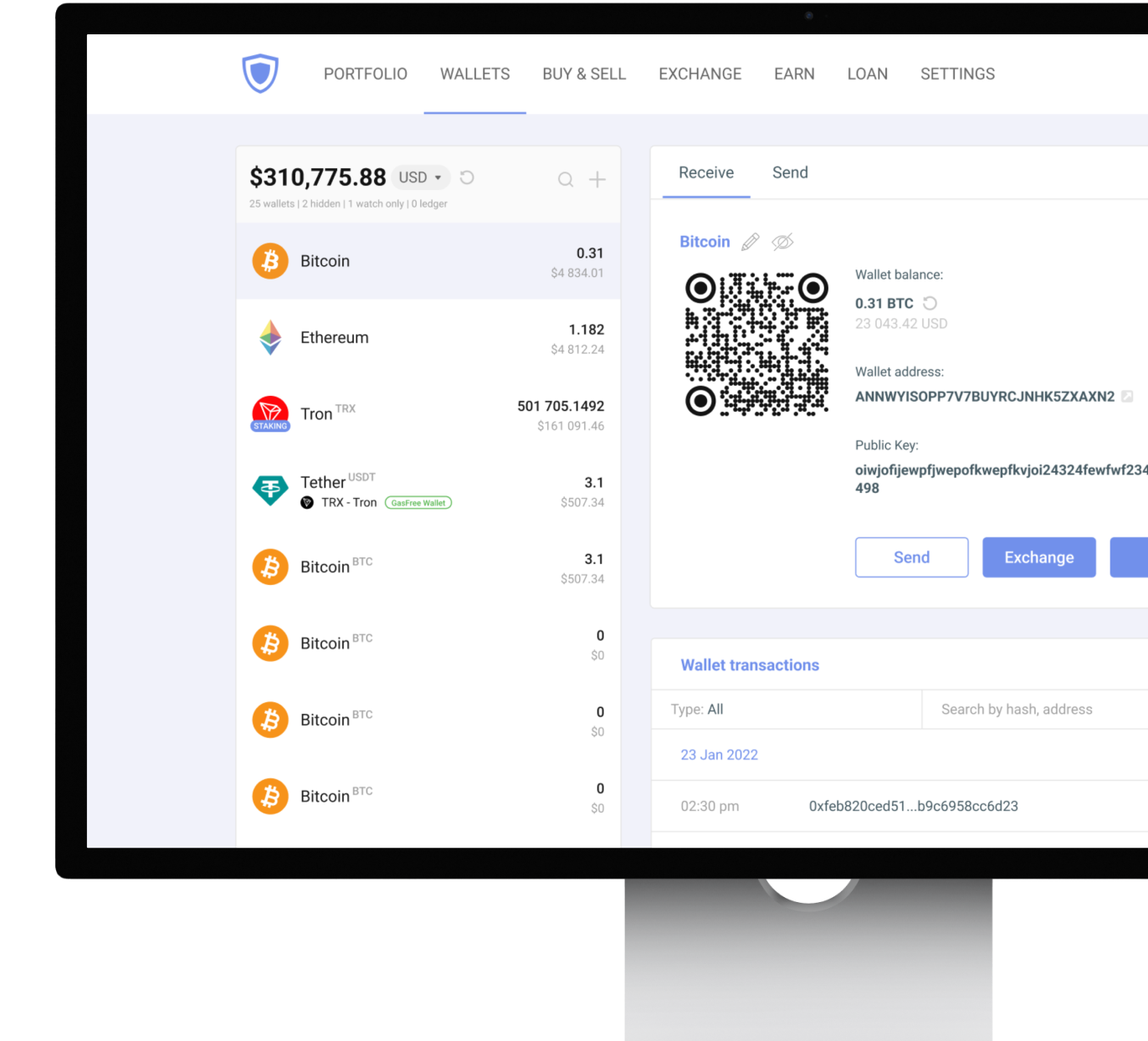
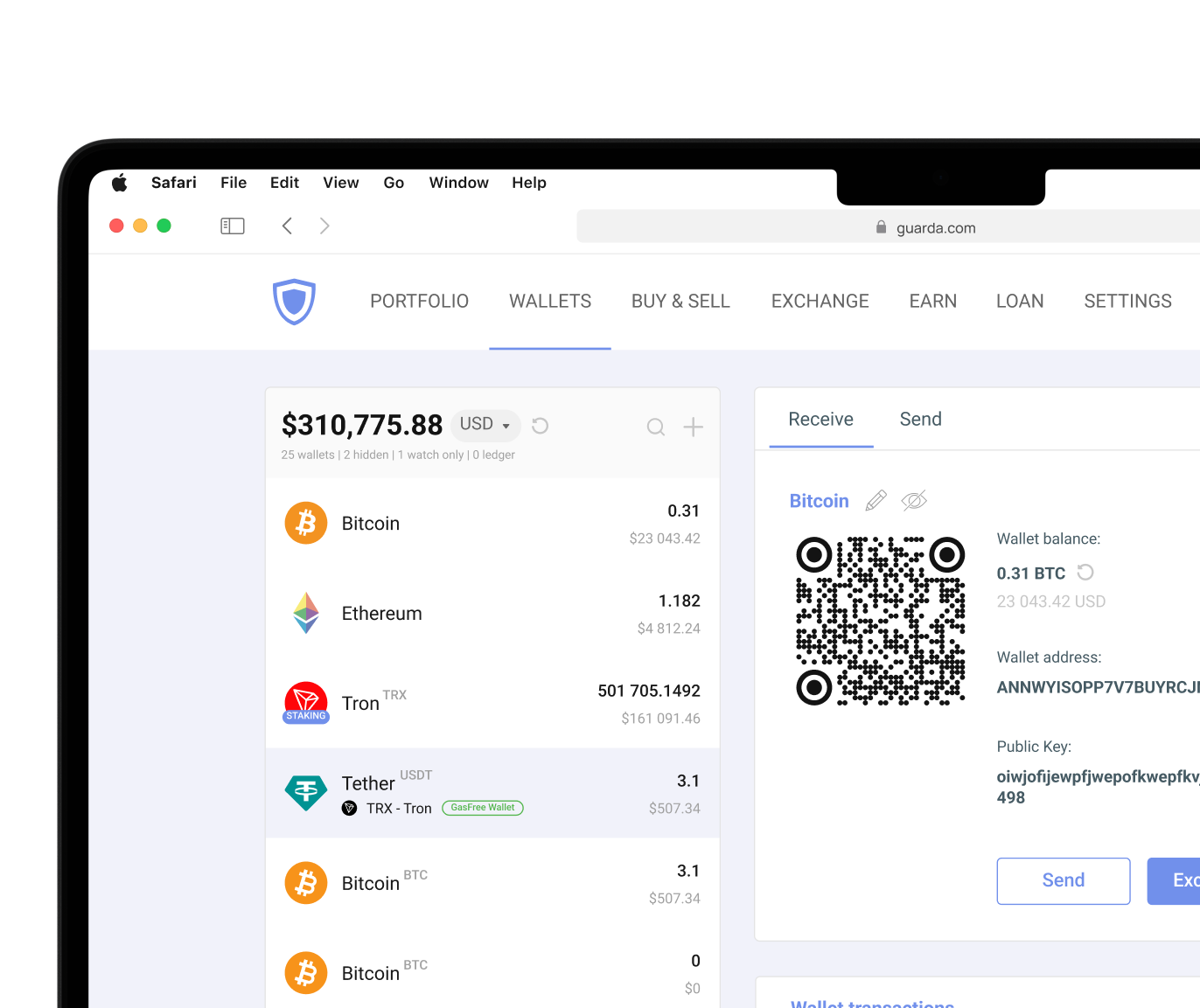
Most EURC wallets fall into software or hardware and custodial or non-custodial categories. Some of them are easier to enter, while others are very secure but not user-friendly at all. Guarda is the software option for users who want a non-custodial wallet for managing EURC alongside other digital assets.
A basic EURC wallet setup usually includes the following:
- Downloading a trusted wallet
- Creating a new wallet
- Backing up the seed phrase offline
- Setting security features
- Receiving EURC to the generated address
Hardware vs. Software EURC Wallets
A hardware wallet stores private keys offline on a physical device. You can buy it for $50-150 from official providers like Ledger. The price is due to the cold storage model reducing vulnerability to malware, phishing pages, and compromised browsers. It works best for users who hold EURC balances as untouchable savings and do not need to move funds often.
Software wallets take the convenience side. They stay close to the internet and run on phones, desktops, browsers, or web platforms. When you use a software wallet, you expect and receive faster access to transactions, swaps, and portfolio management. Because software wallets are constantly interacting with the internet, they require stronger attention to prevent online threats. Device security, wallet passwords, phishing protection, and backup discipline are the first things to do when you set up.
The choice depends on your particular case. For a user who sends EURC regularly, a software wallet makes more sense. A user storing a larger balance for a long period may add a hardware wallet for stronger private key protection. Both wallet types can be secure when users follow proper security practices. The key difference is where private keys remain and how much convenience the user needs. But, if you need an extra protective layer, Guarda Wallet supports integration with Ledger, combining both the software convenience with hardware protection.
Custodial vs. Non-Custodial Solutions
Custodial and non-custodial EURC wallets differ in one critical area: private key control. A custodial wallet places private keys in the hands of a service provider, usually an exchange or payment platform. This model is technically simpler for a user because the provider manages account recovery and technical maintenance on its own. The trade-off is dependence. Users do not directly control the private keys that prove EURC ownership.
A non-custodial wallet gives users the responsibility and control over their private keys and seed phrase. Guarda Wallet is an example of a non-custodial solution. It may seem complicated, but many active users prefer to maintain security on their own since there are not as many accidents that can happen.
Private keys can usually be recovered through a seed phrase if the original device becomes unavailable. That recovery option only works if the seed phrase was stored correctly. For users who want full control over their EURC, non-custodial storage is usually the long-term choice.
Multi-Currency Wallets
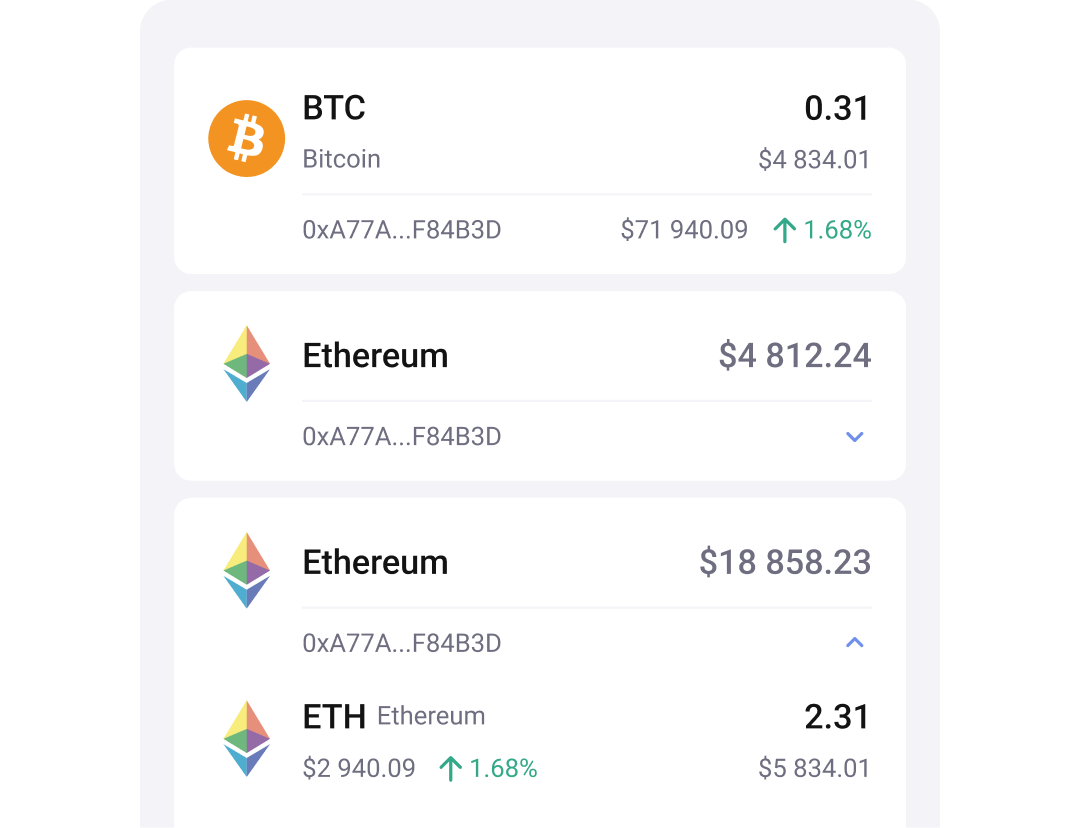
Most EURC holders do not manage a single asset. A typical portfolio may include EURC, USDC, Bitcoin, Ethereum, and other cryptocurrencies across multiple blockchain networks. A multi-currency wallet simplifies the process by bringing those assets together in one place.
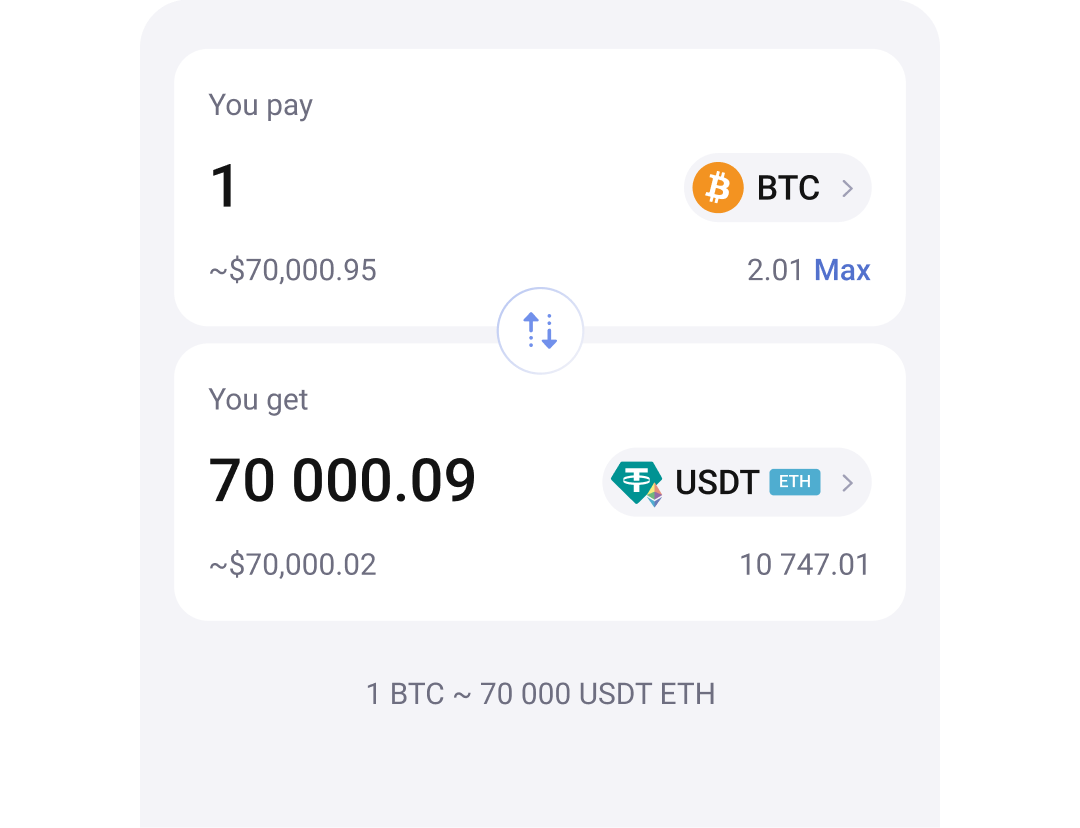
A EURC wallet should enable core operations such as buying, selling, sending, receiving, and swapping assets within a single application. Guarda supports more than 1 million digital assets, making it suitable for users who want to manage EURC alongside a broader portfolio. Instead of maintaining separate wallets for different assets, users can monitor balances, execute transactions, and manage multiple cryptocurrencies from a single interface.
Blockchain compatibility also matters. EURC wallets connect to the networks where EURC is available, allowing users to interact with different blockchain environments while managing their funds securely. Before receiving EURC, users should always verify that the wallet supports the correct network and address format.
Cryptocurrency involves risk. This article is for informational purposes only and does not constitute financial advice. Always conduct your own research before using any wallet or investing in digital assets.