USDT Wallet Introduction
A secure USDT wallet is one of the most important tools for safely managing Tether (USDT). As one of the most widely used stablecoin assets in crypto, USDT is designed for fast transfers, trading, and stable value storage.
The non-custodial USDT digital wallet stores and protects your cryptocurrency, and you stay in control of your funds through self-custody. Whether for mobile access to the stablecoin or offline protection, the right wallet is important to long-term Tether security.
What is a USDT Tether?
Tether (USDT) is a stablecoin, meaning a cryptocurrency designed to maintain a 1-1 peg to the US dollar's value. Unlike volatile digital assets, USDT should remain stable in price and perform as a middle ground between crypto and traditional finances.
As USDT adoption has grown, storage approaches have evolved as well. Early users often relied on exchange accounts to hold their stablecoins, while today many prefer customized USDT wallets that offer greater control, support for multiple blockchain networks, and improved security through self-custody.
USDT exists on multiple blockchain networks, including majors like Ethereum (USDT ERC-20), Tron (USDT TRC-20), Solana, BNB Smart Chain, and Polygon. USDT is able to transfer quickly between wallets and exchanges. A USDT wallet is used to store and manage Tether (USDT) across different blockchain networks. A proper wallet lets users send, buy, and receive Tether (USDT) while keeping it safe.
USDT Wallet Security: Protecting Your Digital Assets
With non-custodial wallets, security measures are the user's responsibility since it's the user who controls the private keys and their safety. The same rules apply for every USDT wallet. It still requires the same protection as any other cryptocurrency.
The most important step is protecting your private key and seed phrase. Whoever possesses the private key possesses the USDT. Whoever owns the seed phrase owns the private keys. So if you are going to avoid theft risk and prevent unauthorized access to your wallet, pay attention to the details. Basic yet effective safety measures include two-factor authentication, offline backups, strong passwords, and staying away from suspicious links or apps.
Crypto threats continue to evolve, which means secure wallet habits should evolve too. The safest USDT wallet is one that combines strong protection with smart day-to-day security practices.
Types of USDT Wallets
There are several types of cryptocurrency wallets as Tether storage options, and each offers a different balance of functionality and protection.
A hardware wallet provides maximum USDT security through offline storage, while a mobile wallet app focuses on convenience and fast access. The best USDT wallet becomes clear through the comparison. It depends on how you use your crypto and how much security you need.
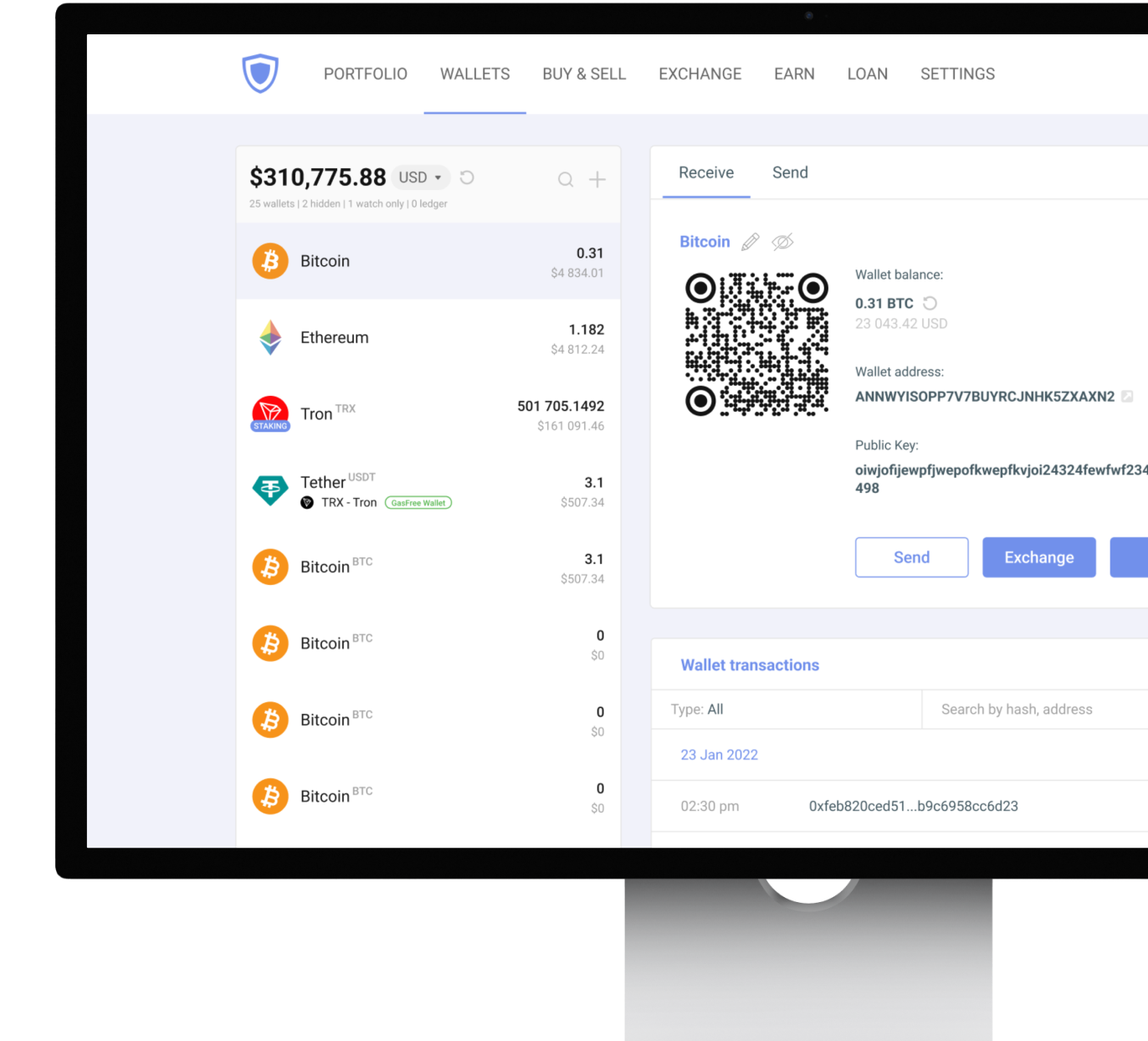
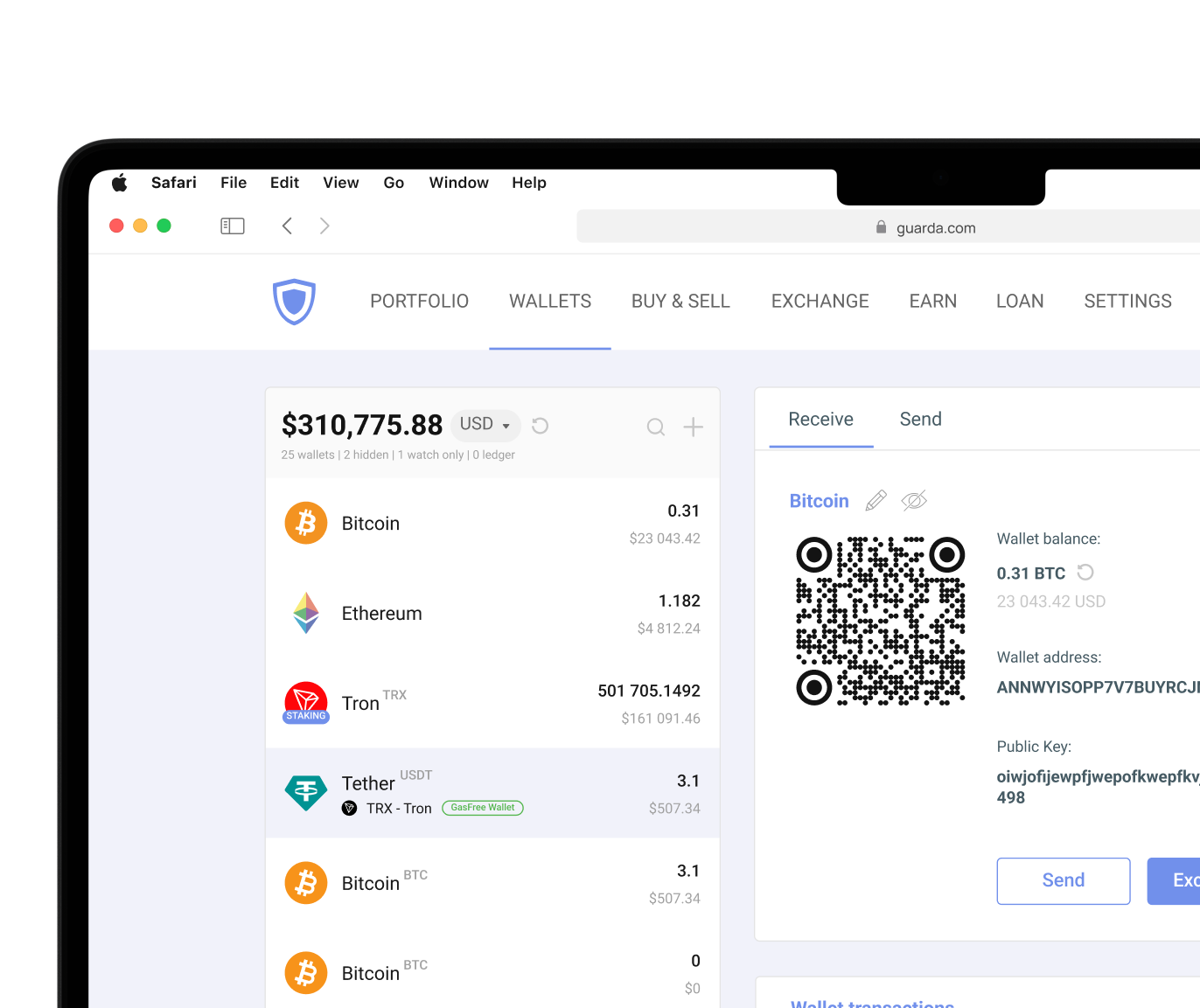
Guarda Wallet supports multiple access methods, including desktop, mobile, and browser extension wallets, so users can choose which best fits their security preferences and daily habits.
Software Wallets: Desktop and Mobile Solutions
Software wallets are popular for everyday USDT use. They're easy to access on both desktop and mobile devices. With a USDT wallet app right on your smartphone, it is simple to manage stablecoin movements, trading, and payments on the go.
A mobile wallet app gives you the fastest access and works well for small daily transactions. A desktop Tether wallet app works similarly but provides more powerful features and better control for committed traders.
Guarda integrates USDT wallet access across desktop, mobile, and browser extension platforms. Users can manage their Tether from multiple devices and still keep full control of their private keys in a non-custodial setting.
In general, non-custodial software wallets balance convenience with a decent level of safety. Custodial wallets let the third party control users' private keys, so it's not such a reliable option in comparison.
Hardware Wallets
A hardware wallet is typically viewed as the best wallet for USDT when security measures are the top priority. Separate devices store your private keys and seed phrase offline, adding an enhanced protective layer against hacks and malware.
Because they use the cold storage (or offline storage) method, hardware wallets are able to resist most online attacks. If you hold some serious amount of crypto, including USDT, and want to keep it safe long-term, a hardware cold wallet is the best approach.
At the same time, many users combine cold storage with a non-custodial software wallet such as Guarda for everyday transactions. A common strategy is to keep larger holdings in cold storage while using a hot wallet only for active spending, transfers, and payments.
Regardless of the wallet type, always take essential security practices:
- Protect your recovery phrase;
- Enable available security features, such as 2FA;
- Verify transaction details before approval.
Web Wallets and Exchanges: Convenience vs. Control
Cryptocurrency exchange platforms offer quick access to USDT via web-based wallets, which is convenient for fast and frequent trading. The downside is the lack of users' control over their crypto. With custodial wallets, the provider manages your private keys and security systems. That means web wallets rely heavily on exchange safeguarding practices rather than full self-custody of users. Even the established exchanges like Coinbase or Binance cannot guarantee the absolute safety.
Exchange wallets work well for active trading and holding just enough crypto you are going to spend. But many users avoid keeping large amounts of USDT on exchanges long-term—only about 10% to 20% of all of their assets.
Paper Wallets
A paper wallet is an old-school variation of cold offline USDT storage where private keys are written or printed on paper instead of stored digitally on a specific device like a hardware wallet. Since the private key unlocks access to USDT funds, anyone who gains access to the paper wallet can control the assets stored in it.
This approach offers very high security because the wallet stays completely offline, doesn't interact with a blockchain by any means, and reduces exposure to online attacks. However, paper wallets are usually easier to damage or lose. When you choose the paper wallet, you have to protect every copy from water, fire, and time damage. Plus, if someone else finds it, there is no additional protective layer like a PIN or password.
For users focused on maximum security and long-term cold storage, paper wallets can still be a useful option but only when handled carefully.
Cryptocurrency involves risk. This article is for informational purposes only and does not constitute financial advice. Always conduct your own research before using any wallet or investing in digital assets.




 Google
Chrome
Google
Chrome Brave
Brave