Zcash Wallet Introduction
Zcash is one of the few cryptocurrencies that gives users a choice between public and private transactions. A Zcash wallet is the tool that makes that choice possible. It stores and manages ZEC, connects to the Zcash network, and determines whether users can access the protocol's privacy features.
The Zcash network relies on zk-SNARK (Zero-Knowledge Succinct Non-Interactive Argument of Knowledge) technology to validate transactions but reveal as little information as possible. To use those features, you need a compatible wallet. It should support Zcash's architecture, including shielded transactions.
Behind every ZEC wallet is a set of private keys. Those keys prove ownership of funds and authorize transactions on the blockchain. A Zcash wallet protects those keys with encryption. The interface should remain practical for users to send, receive, store, and manage ZEC.
What is a Zcash Wallet?
A Zcash wallet doesn't look that different at first. But Zcash uses zero-knowledge proofs known as zk-SNARKs to validate transactions without revealing sensitive information. The technology is built to keep transaction details private and requires the wallet to support it.
A Zcash wallet connects users, the blockchain, and those privacy features. Think of it as a secure control panel rather than a storage container. It generates addresses, manages private keys, signs transactions. The blockchain records ownership of funds, while the wallet provides access to them.
Because Zcash includes both transparent and shielded transaction types, wallet compatibility is very important. A wallet that lacks support for shielded functionality cannot fully utilize what makes Zcash unique.
Zcash Privacy Features
Most of the blockchains are public ledgers. Everyone can see the amounts of transactions, wallet addresses, and the history of payments. The Zcash network supports two address formats: transparent addresses (t-addresses) and shielded addresses (z-addresses). The choice between transparent and shielded transactions is up to you and your situation.
Transparent addresses function similar to Bitcoin addresses. Transaction data is visible on the blockchain, including the info about sender, recipient, and transferred amount. Users often prefer transparent addresses when they need public oversight or transaction tracking.
Shielded addresses are used to conceal sensitive transaction information. This layer relies on zk-SNARK cryptography. When you send funds between shielded addresses, the blockchain still validates the transaction but without publicly sharing sender, recipient, and transaction amounts.
Types of Zcash Wallets: Choosing the Right Option
Zcash wallets often support multiple platforms, so users are able to manage assets from desktop computers, smartphones, browser extensions, and, in some cases, across several devices within the same wallet environment, like Guarda Wallet allows.
Before choosing a wallet, think about this:
- How often you send transactions
- Whether you need shielded address support
- Your security expectations
- Your technical experience
- Whether you prefer desktop, mobile, browser, or hardware solutions in general
- Your budget for additional security tools like hardware wallets
Most users have the choice between software and hardware wallets. Software wallets are designed to be accessible and make it easier to spend ZEC on a regular basis. Hardware wallets are designed for security, keeping private keys offline and hence less vulnerable to hacking.
Desktop Wallets for Zcash: Full-Featured Options
A desktop wallet is one of the most full-featured settings for managing cryptocurrency. Larger screens make it easier to review transactions, monitor balances, manage addresses, and interact with multiple blockchains from a single workspace. The more experience you have, the more likely you prefer desktop software. It's as convenient and advanced as it could get. At the end of the day, a desktop is just bigger than a mobile screen.
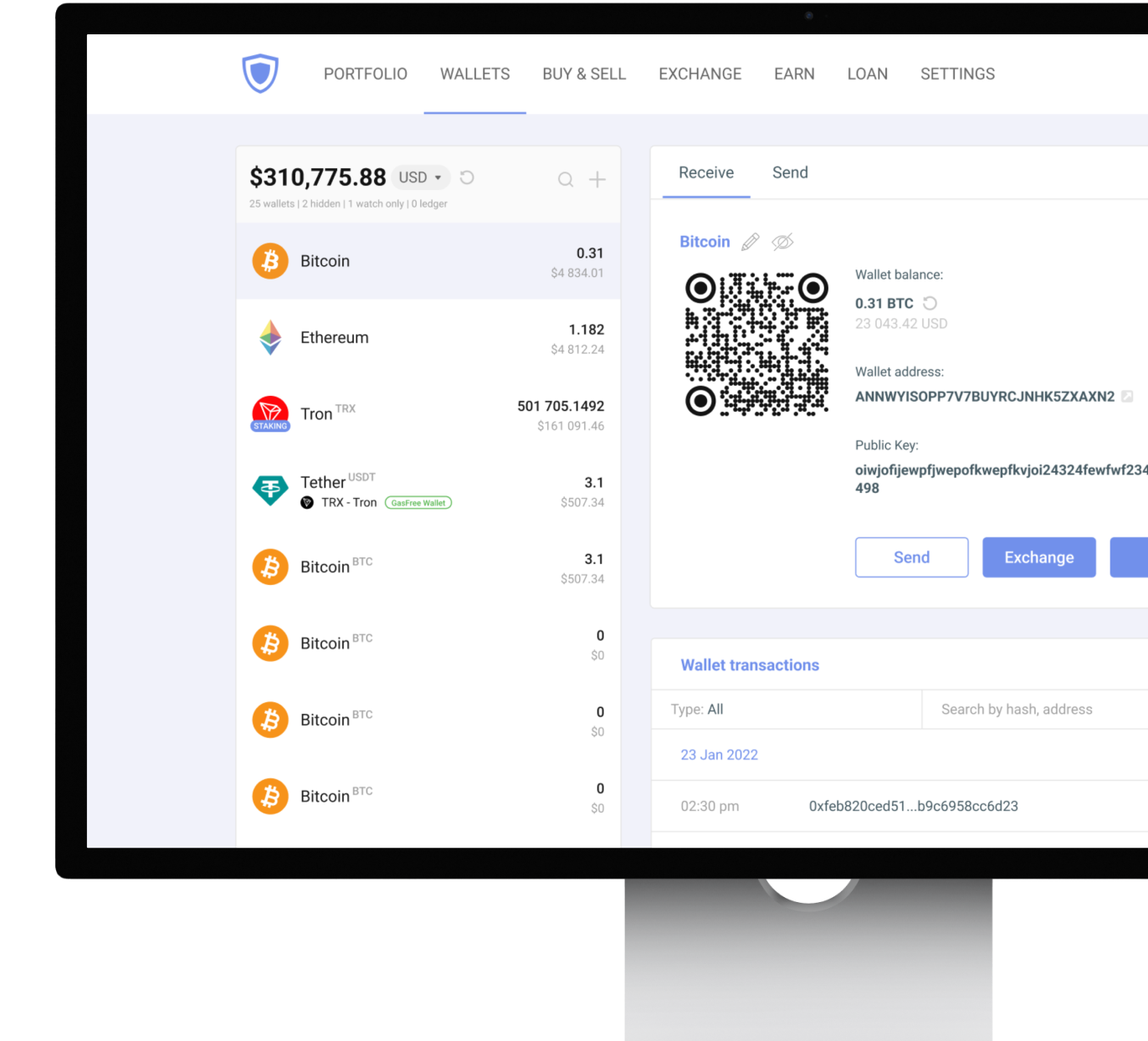
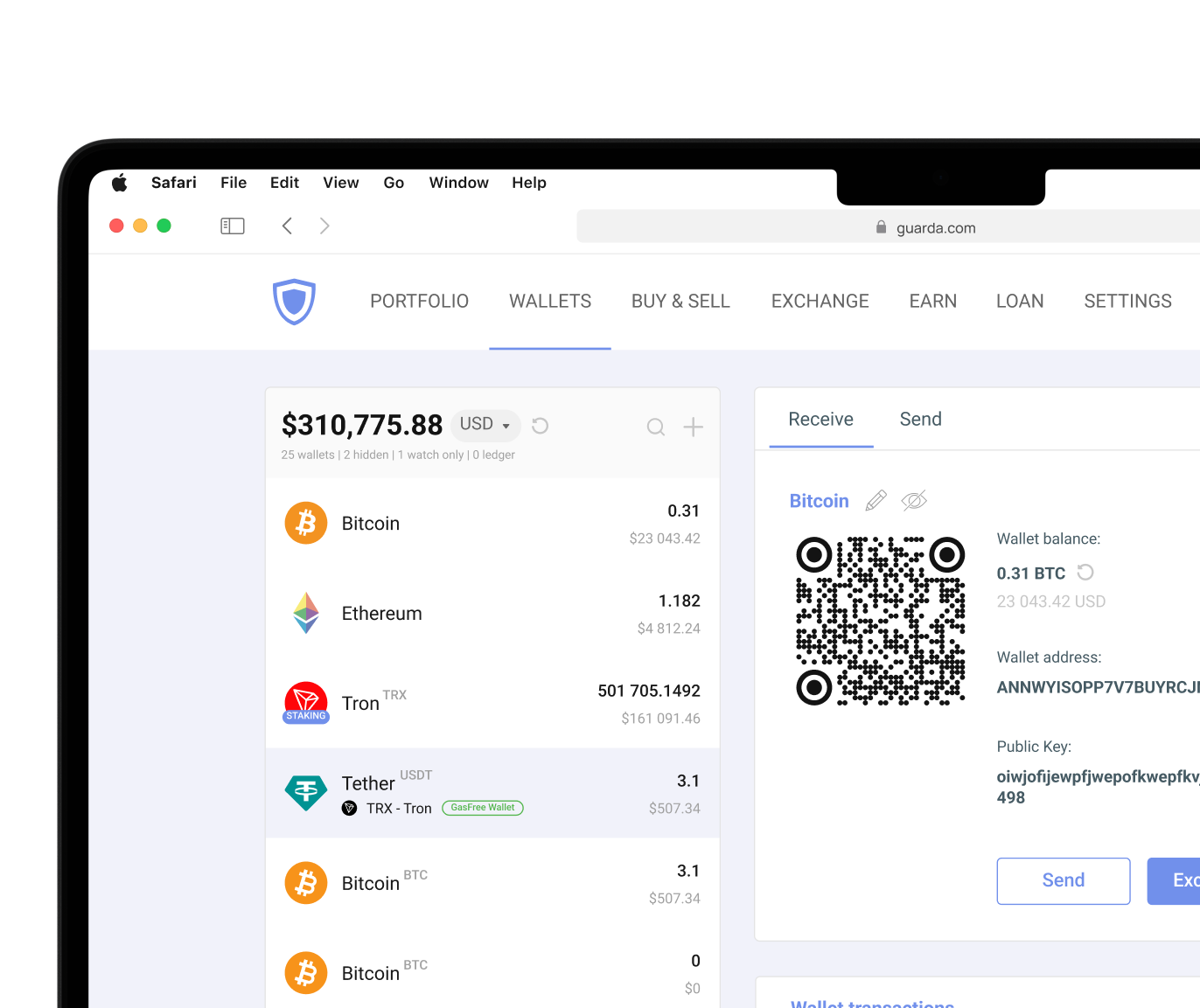
Guarda Wallet supports ZEC on Windows, macOS, and Linux through a non-custodial model that aligns with the core principles of a Zcash wallet. Users retain control of their private keys while accessing portfolio management tools, asset swaps, and multi-currency support from a single application.
Mobile Zcash Wallets: Convenience on the Go
Mobile wallets blend into everyday life. It takes a few taps to check balances, receive payments and send ZEC. Smartphones are the preferred device if you interact with cryptocurrency multiple times a day rather than occasionally.
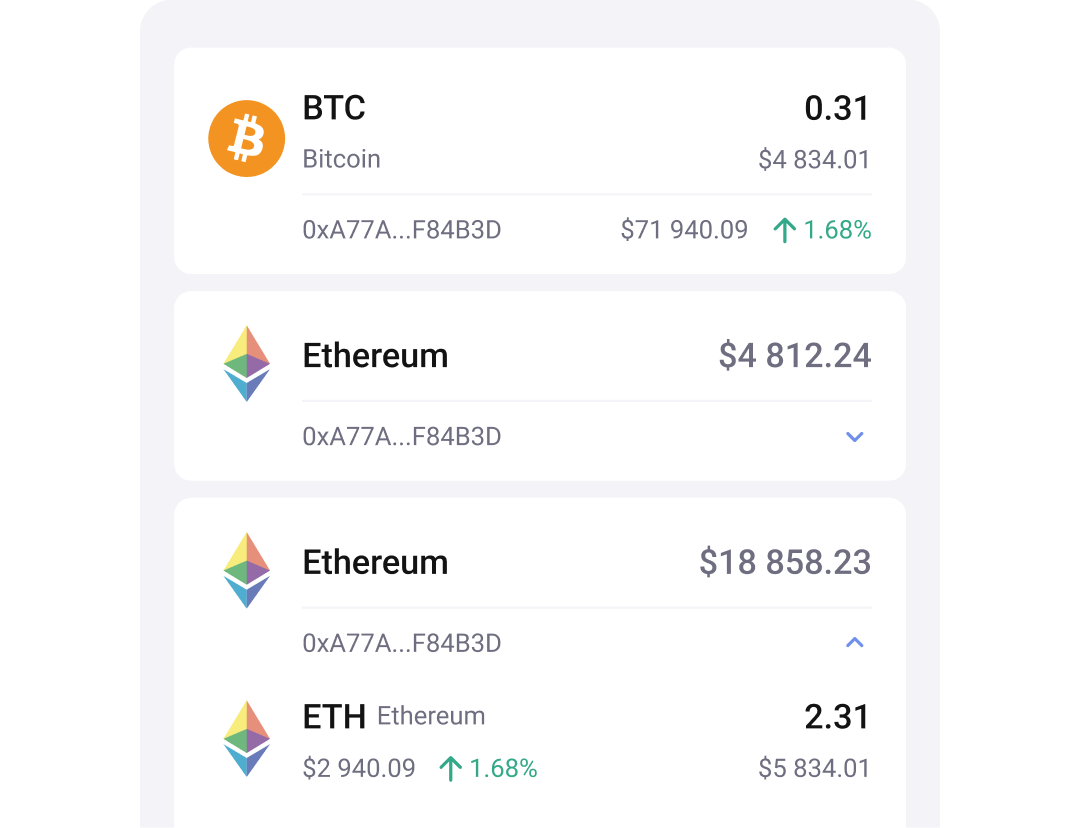
Guarda has mobile applications for both Android and iOS for users to manage ZEC alongside hundreds of other digital assets from the same wallet. Because the wallet works across multiple platforms, you can access the same ecosystem from mobile devices, desktop applications, and browsers and still stay within a non-custodial space.
Zcash's privacy features are enabled by Shielded Address Technology, though support for shielded transactions may vary from wallet to wallet and platform to platform. While some mobile wallets focus mainly on transparent addresses, Guarda also has wider compatibility with Zcash's privacy functionality.
Basic mobile wallet setup usually follows these steps:
- Download the wallet from an official source.
- Create a new wallet.
- Record the recovery phrase offline.
- Configure available security settings.
- Add or receive ZEC.
Smartphones are portable, constantly connected to the internet, and always used for other apps. The key to securing funds is highly dependent on strong device passwords, software updates, backups, and careful review of downloaded files.
Hardware Wallets
Hardware wallets focus on protecting private keys. They isolate them on a dedicated device designed specifically for crypto security. Private keys are what gives you access to your wallet and allows you to sign transactions. Keeping your keys offline minimizes your exposure to malware, phishing scams, and hacked systems.
For users who place security above convenience, hardware wallets improve Zcash wallet security. The private keys never leave the device, and transaction approval requires physical interaction with the hardware itself. This adds an extra level of distance. Simply, making it much harder to get unauthorized access than it would be in an internet-connected setting.
Ledger remains one of the most established hardware wallet providers and integrates with Guarda seamlessly. This enables users to handle assets through an interface they are familiar with and at the same time provides hardware-level protection for sensitive credentials.
If the hardware wallet becomes damaged, lost, or unavailable, the seed phrase restores wallet access and recovers control of your ZEC and other supported assets. For that reason, store your seed phrase offline too and make sure to have multiple backups.
Cryptocurrency involves risk. This article is for informational purposes only and does not constitute financial advice. Always conduct your own research before using any wallet or investing in digital assets.