YFI Wallet Introduction
A YFI wallet gives users access to the Yearn.Finance ecosystem. It manages YFI tokens, secures blockchain transactions, and integrates directly with the Yearn Finance protocol and other decentralized finance applications built on Ethereum. A YFI wallet protects the private keys that control access to YFI tokens.
Yearn.Finance created YFI as a governance token that allows holders to participate in decisions affecting the protocol. Because YFI exists within the broader DeFi ecosystem, wallet choice affects both security and functionality. The right wallet makes it easier to manage assets, connect to decentralized applications, and maintain control over private keys.
Users connect their wallets directly to DeFi services, track portfolio activity, and participate in governance proposals. Whether you hold YFI as a long-term investment or actively use decentralized finance, a secure YFI wallet serves as the foundation of that experience.
What is Yearn Finance (YFI)?
Yearn Finance is a decentralized finance protocol that helps optimize returns on cryptocurrency holdings. Instead of manually moving assets between lending markets and yield opportunities, you can rely on Yearn's smart contracts to automate much of the process. The protocol operates on Ethereum and forms part of the larger DeFi ecosystem. Over time, Yearn became known as one of the earliest and most influential yield aggregators that helps investors and casual users access yield farming strategies through a simplified interface.
YFI functions as the governance token of the protocol. YFI mostly gives holders voting rights on proposals to influence protocol development, treasury management, and future upgrades. This governance role creates long-term utility for the token.
Securing Your YFI Tokens
Because YFI holders frequently connect wallets to DeFi protocols, smart-contract approvals deserve the same attention as seed phrase protection. Review spending permissions regularly and revoke unused approvals when possible. Every YFI wallet depends on private keys. Those keys authorize transactions and prove ownership of assets on the blockchain. Protecting them should always be the first priority too.
A layered security approach helps reduce risk:
- Store recovery phrases offline.
- Never share private keys with anyone.
- Create strong and unique passwords.
- Enable two-factor authentication whenever available.
- Verify every website before connecting a wallet.
- Review transaction details before signing.
- Keep wallet software updated.
- Maintain secure backup copies of recovery phrases.
- Use dedicated devices for significant holdings when possible.
Warning: Common Security Pitfalls
Even experienced cryptocurrency users lose funds through avoidable mistakes. Never store seed phrases in cloud storage, screenshots, email drafts, or messaging apps. Always review transaction permissions before signing, and avoid reusing passwords across services or downloading software from unverified sources. Never share recovery phrases with anyone claiming to be customer support. No legitimate wallet provider or DeFi protocol will ever ask for your seed phrase or private keys.
Hardware wallets store private keys offline. Software wallets remain secure when users follow proper security practices, but they require greater attention to device security and phishing prevention.
Top YFI Wallet Options in 2026
Cryptocurrency wallets can prioritize maximum security or focus on convenience, DeFi connectivity, or cross-platform access. There is no single solution that is perfect for every goal of every user. But you can choose the perfect combination for your frequent use cases.
| Wallet Type |
Security |
User Experience |
Additional Features |
| Hardware Wallet |
Very High |
Moderate |
Offline private key storage, cold storage protection |
| Desktop Wallet |
High |
High |
Portfolio management, DeFi access |
| Mobile Wallet |
High |
Very High |
On-the-go access, transaction approvals |
| Browser Extension |
High |
Very High |
Direct connection to DeFi applications |
| Non-Custodial Wallet |
High |
High |
Full control of private keys and asset ownership |
Talking shortly, hardware wallets provide the strongest protection for long-term YFI storage. Non-custodial software wallets offer faster access to decentralized finance applications and everyday portfolio management, while still keeping you in charge of your assets. For many users, the best solution combines both approaches.
Hardware vs. Software Wallets for YFI
Some YFI holders buy the token and rarely move it. Their goal is long-term exposure to the protocol and participation in governance when necessary. In that situation, a hardware wallet often makes the most sense because it stores private keys offline and protects assets from most online threats. The extra step of connecting a physical device is rarely an inconvenience when transactions happen only occasionally.
Other users interact with DeFi regularly. They vote on governance proposals, move assets between protocols, track yields, and connect to decentralized applications. For them, software wallets are much more preferable. A software wallet maintains an internet connection, so transactions are approved quickly, and Ethereum-based apps are much more accessible.
Many experienced users split responsibilities between both wallet types. Long-term holdings stay protected in cold storage, while a smaller operational balance remains available in a software wallet for everyday activity. That way you don't need to choose security or convenience. Just separate assets according to purpose.
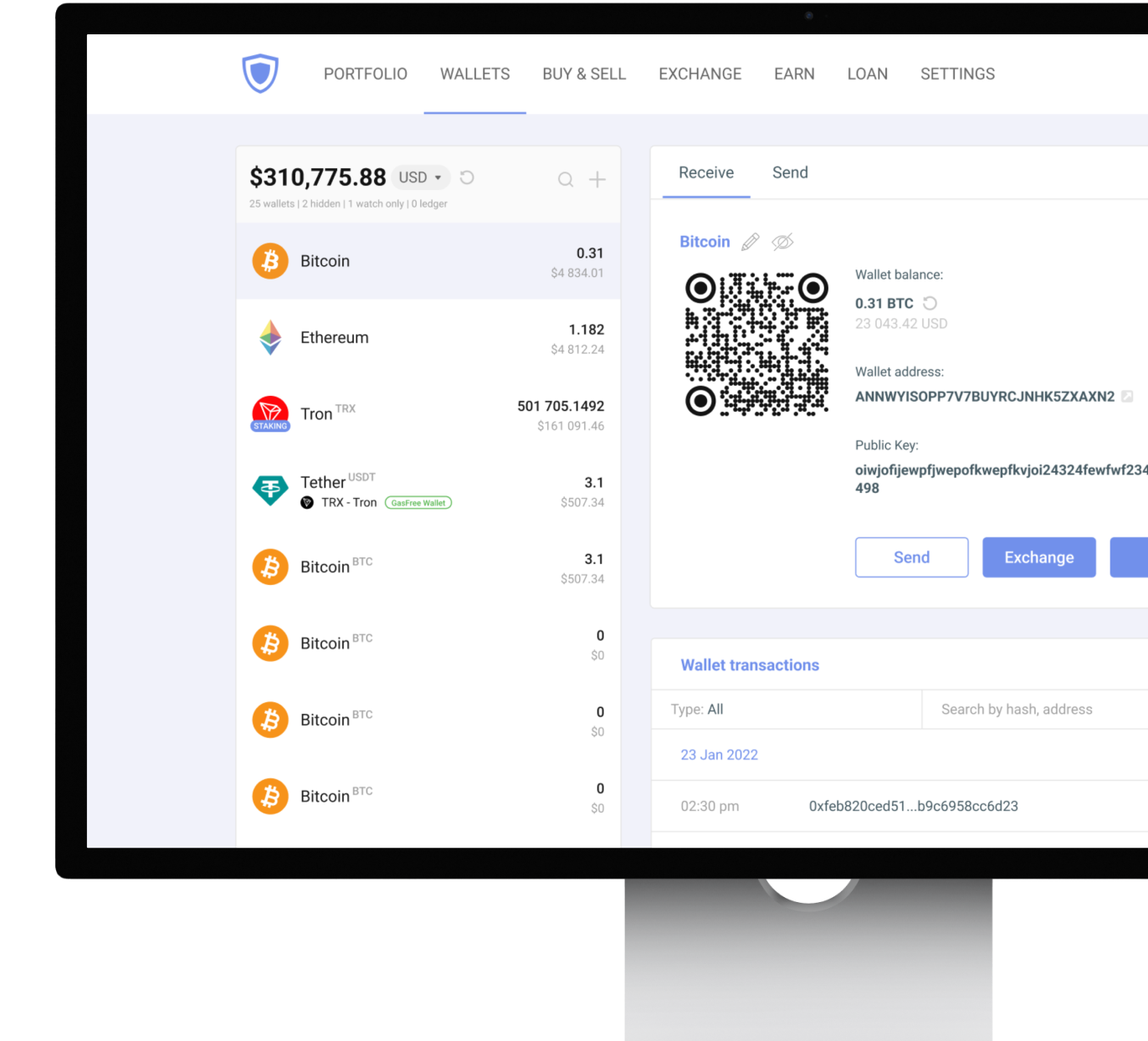
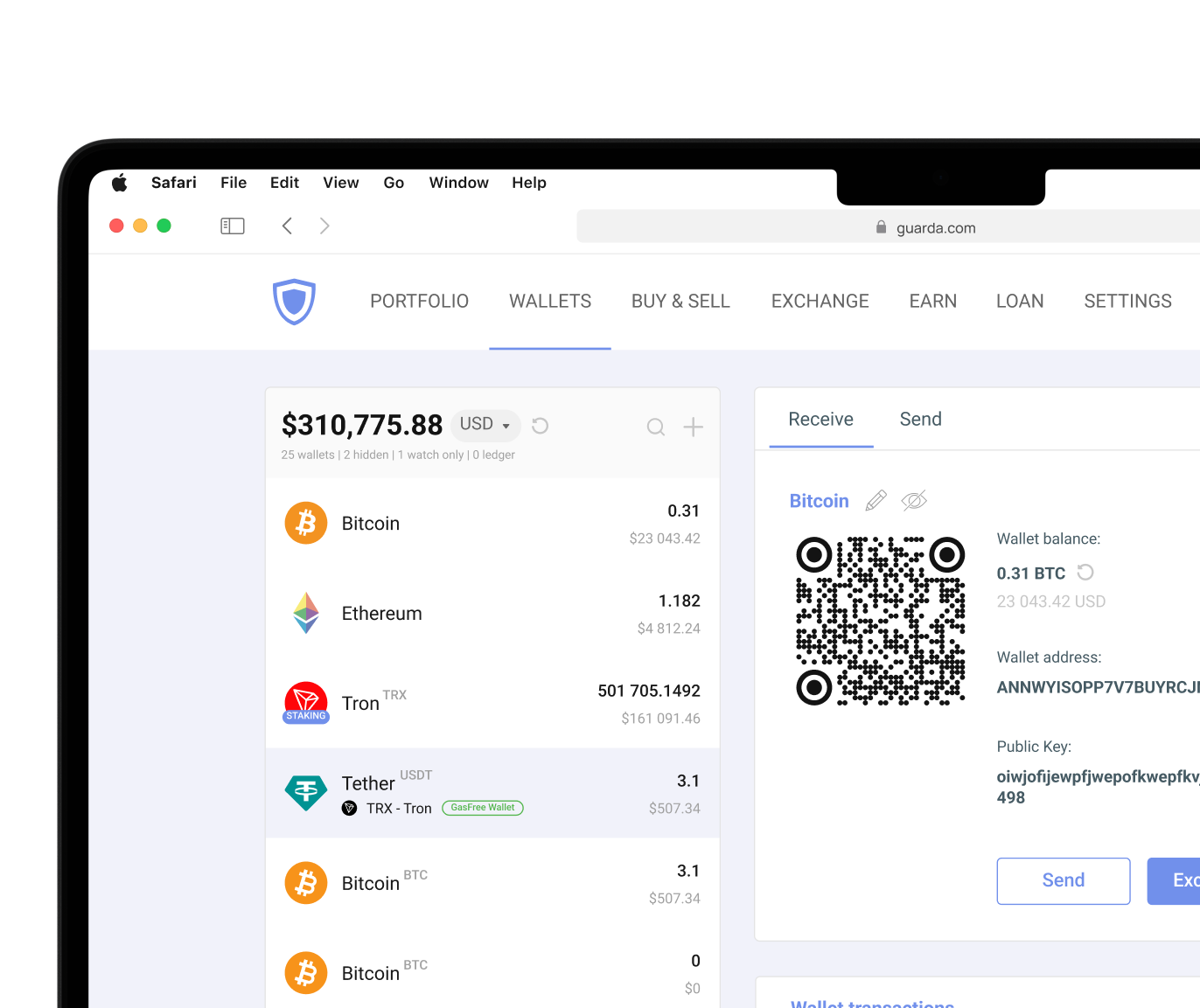
Guarda supports this approach across desktop, mobile, web, and browser extension platforms. Users can manage YFI from whichever device fits their workflow while maintaining self-custody of their private keys. Those who want additional protection can connect a Ledger hardware wallet to Guarda and combine offline key storage with convenient portfolio management.
Mobile vs. Desktop YFI Wallet App Options
Mobile wallets excel at monitoring. They make it easy to check positions, receive updates, track market activity, and approve routine transactions while away from a computer. When a governance proposal approaches its deadline or a market event requires a quick reaction, having access to YFI from a smartphone can be genuinely useful.
Desktop wallets become more valuable when decisions carry higher consequences. A larger screen makes it easier to inspect wallet addresses, review smart contract permissions, compare positions across protocols, and verify transaction details before signing. Many active DeFi participants prefer desktop environments for precisely this reason: visibility reduces mistakes.
Regardless of platform, software wallets require ongoing attention to device security, phishing awareness, and software updates. Again, you don't have to choose one platform permanently; many YFI holders use both. Mobile access helps to stay connected to the market throughout the day, while desktop access provides a more controlled environment for larger transactions and protocol interactions.
Guarda supports all the platforms through desktop applications, mobile apps, web access, and browser extensions. Users can manage YFI and other cryptocurrencies from whichever device best fits the task without moving assets between separate wallets.
Non-Custodial vs. Custodial YFI Wallets
The most important difference between wallet models comes down to private key ownership. A non-custodial YFI wallet places users in direct control of their private keys. Because private keys control access to YFI funds, self-custody gives users complete ownership of their assets without relying on a third party. This approach does require stronger personal security practices, but many cryptocurrency users consider the added responsibility worthwhile because it provides independence.
A custodial wallet means that a service provider, usually a cryptocurrency exchange, manages private keys on behalf of users. This model simplifies account recovery and lowers the technical barrier to entry. Custodial solutions can be temporarily practical in certain situations. For example, some users keep assets on an exchange while actively trading, converting currencies, or waiting to withdraw newly purchased tokens. It's attractive to newcomers too, since they can make their first low-cost mistakes and learn from them with the help of the support team. However, convenience comes at a cost. Exchange outages, account restrictions, security incidents, or changes in platform policies can affect access to funds.
| Non-Custodial Wallet |
Custodial Wallet |
| User controls private keys |
Provider controls private keys |
| Full ownership of assets |
Reliance on third party |
| Greater personal responsibility |
Easier account recovery |
| Stronger independence |
Additional counterparty risk |
For long-term storage, it's more reliable to use non-custodial wallets because they maintain direct ownership of their private keys and can implement their own security measures. Some combine software wallets for convenient access to YFI tokens with hardware wallets that store private keys offline for additional protection. This approach balances usability with security.
Cryptocurrency involves risk. This article is for informational purposes only and does not constitute financial advice. Always conduct your own research before using any wallet or investing in digital assets.




 Google
Chrome
Google
Chrome Brave
Brave