Ravencoin Wallet Introduction
A Ravencoin wallet does more than store RVN. It is the tool that gives you control over the private keys connected to your funds and any assets issued on the Ravencoin blockchain.
Like other cryptocurrency wallets, a Ravencoin digital wallet does not hold coins directly. The blockchain records ownership, while the Ravencoin wallet stores private keys needed to access, transfer, and protect those holdings. That includes RVN itself as well as custom assets created on the network.
For anyone planning to use Ravencoin seriously, wallet selection is part of the ongoing security process. The wallet supports asset management, provides the foundation for secure interaction with the blockchain, and requires strong security measures.
What is Ravencoin?
Ravencoin is an asset-focused blockchain designed to make the creation and transfer of digital assets straightforward.
Originally the project was a fork of Bitcoin but was created for a different intended use. Instead of focusing primarily on payments, Ravencoin was designed to support asset issuance and ownership tracking on-chain. Those assets can represent collectibles, securities, tickets, digital ownership records, and other real-world items. Every Ravencoin asset exists directly on the Ravencoin blockchain. Ownership records, transfers, and transactions are recorded by the network itself.
Another defining feature is ASIC resistance. Ravencoin originally adopted the X16R algorithm to reduce the advantages enjoyed by specialized ASIC mining hardware. The goal was to keep mining participation more accessible to ordinary users and maintain broader network decentralization. If you've heard of Ravencoin before, it's probably because of two core ideas: accessible mining and asset tokenization.
Security Practices for Ravencoin Storage
Private key protection is a very important part of wallet management. Private keys control access to RVN and Ravencoin assets. If someone obtains them, they gain control over the funds connected to that wallet. That is why protecting wallet credentials matters more than any specific wallet feature.
Standard non-custodial wallet security measures may be enough if you hold just enough RVN to spend soon. Most non-custodial wallets combine encryption, two-factor authentication, and, in some cases, multi-signature approvals to create several layers of protection. Multi-signature wallets require multiple approvals before funds can move. This approach reduces the risk of a single compromised device or credential resulting in asset loss. Long-term holdings often benefit from additional layers such as cold storage.
Essential Security Practices
- Store recovery phrases offline.
- Never share private keys.
- Use strong and unique passwords.
- Enable two-factor authentication whenever available.
- Keep wallet software updated.
- Verify addresses before sending transactions.
- Create multiple secure backups.
- Protect devices from malware and unauthorized access.
- Stay alert to phishing attempts and fake support accounts.
- Consider cold storage for larger holdings.
Security by Portfolio Size
Small balances
- Strong password
- Secure backup phrase
- Updated software
Medium balances
- Password protection
- Offline backups
- Device encryption
- Two-factor authentication
Large balances
- Hardware wallet
- Cold storage
- Multiple backups
- Multi-signature authorization
Types of Ravencoin Wallets Compared
Ravencoin wallets are available in several formats. Each one approaches security and accessibility differently. Some users prioritize quick access. Others focus on long-term storage. Some need regular access to Ravencoin assets and other digital asset transfers. Those different goals have led to several wallet categories.
| Wallet Type |
Category |
Security |
Convenience |
Cost |
Best For |
| Hardware Wallet |
Cold |
Very High |
Medium |
Paid |
Long-term storage |
| Desktop Wallet |
Hot |
High |
High |
Free |
Asset management |
| Mobile Wallet |
Hot |
High |
Very High |
Free |
Everyday use |
| Web Wallet |
Hot |
Medium |
High |
Free |
Quick access |
| Paper Wallet |
Cold |
High |
Low |
Free |
Offline backup |
Desktop wallets, mobile wallets, web wallets, and browser extensions are all forms of software wallets. They prioritize accessibility and day-to-day asset management, while hardware wallets focus more heavily on cold storage and long-term protection.
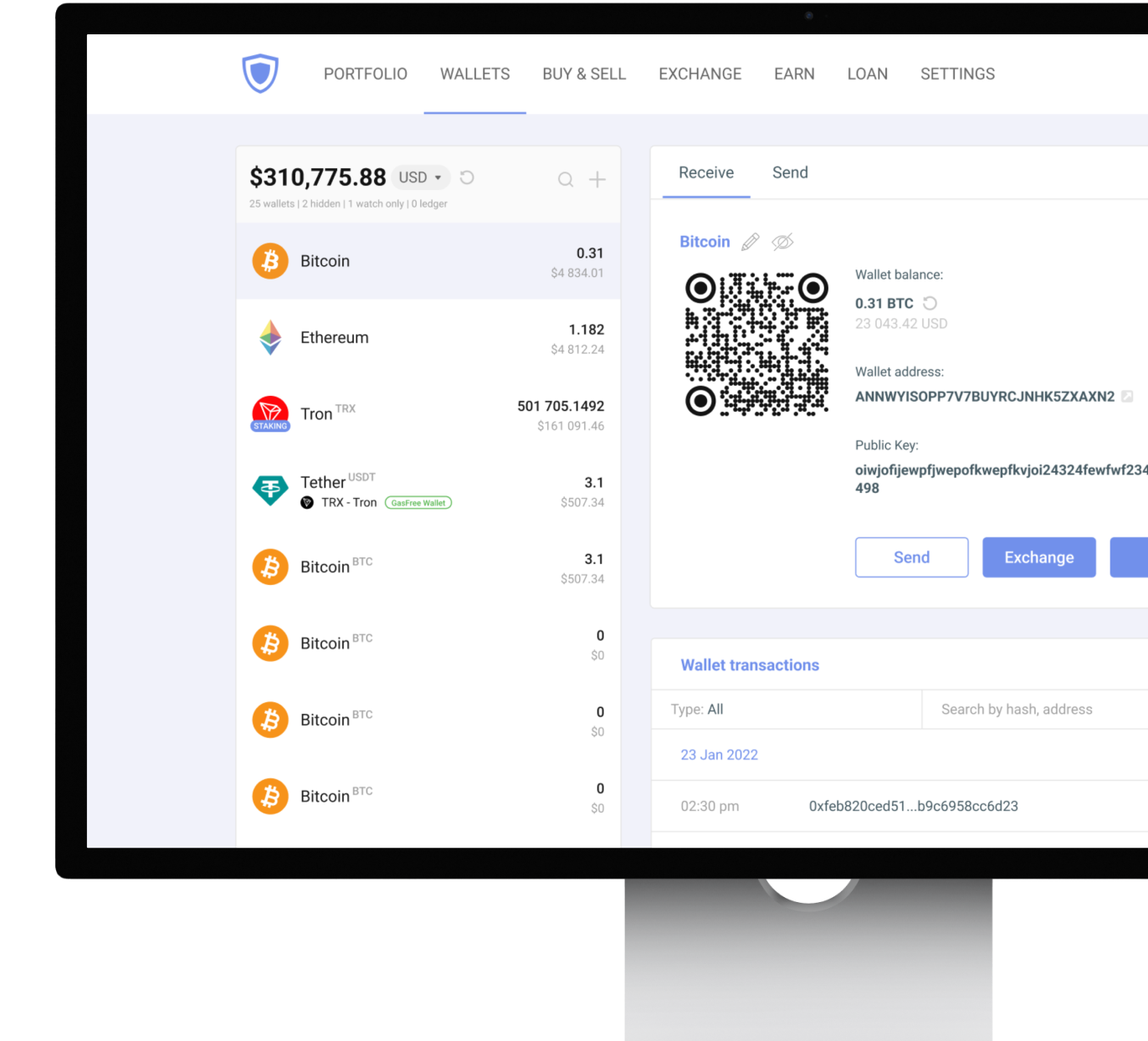
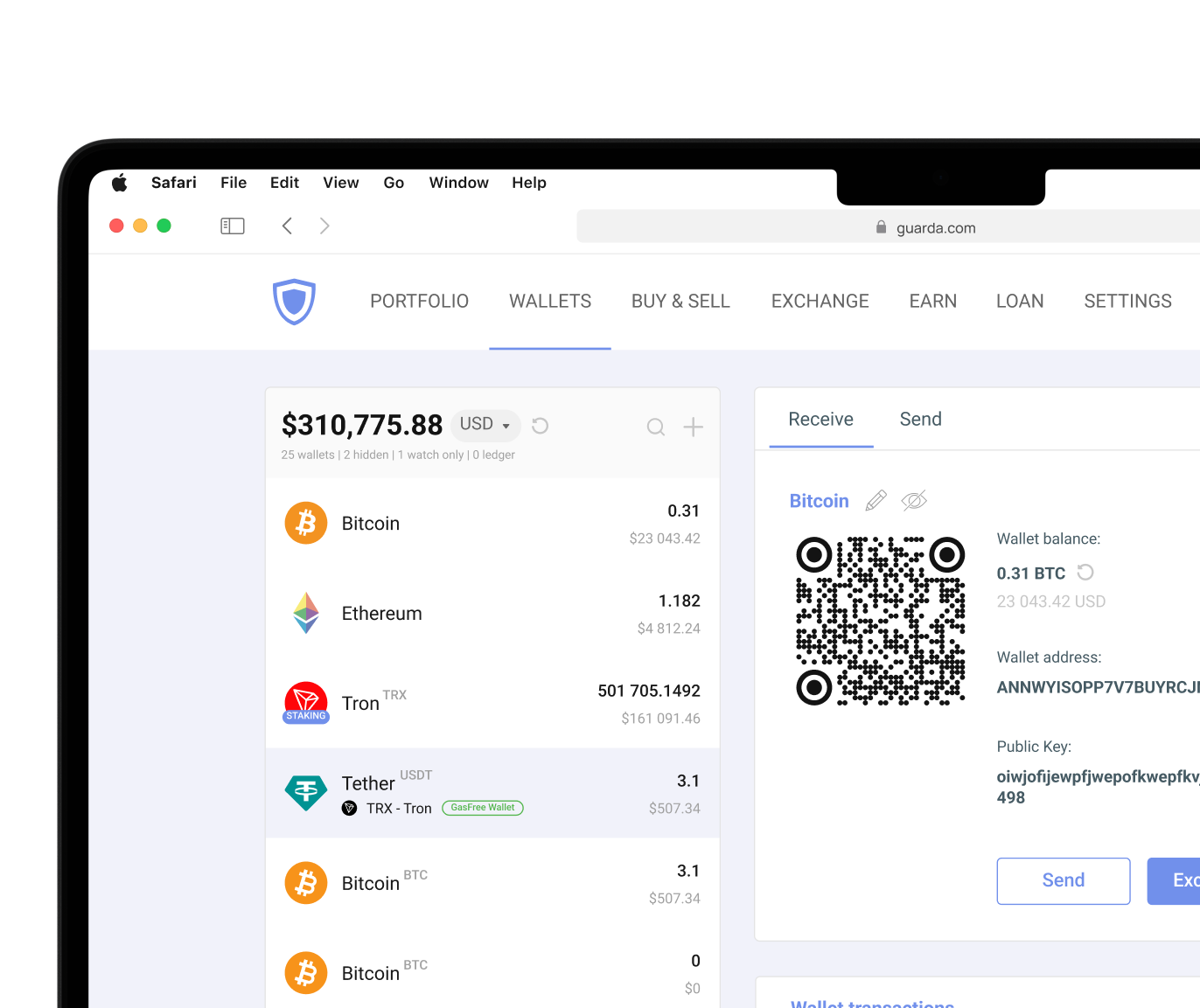
Cold storage and hot wallets are useful ways to evaluate risk. Hot wallets stay connected to the internet and prioritize accessibility. Desktop, mobile, and web wallets generally fall into this category. Cold storage keeps sensitive credentials offline. Hardware wallets and paper wallets are the most common examples. Guarda supports Ravencoin through desktop, mobile, web, and browser-based environments, allowing users to manage RVN across different devices inside the same ecosystem.
Hardware Wallets
Hardware wallets are intended to keep private keys offline. A hardware wallet isolates them inside a dedicated device and signs transactions separately. This strategy significantly reduces exposure to malware, phishing attacks, and other online threats. Recovery is possible even with a hardware wallet. During setup, users receive a seed phrase that acts as the master backup. If the device is stolen or broken, the seed phrase can restore access to funds.
Ledger devices are among the most widely used hardware wallets and can be integrated with Guarda Wallet. This setup combines the convenient software management with the protective cold storage.
Desktop Wallets for Ravencoin
Desktop wallets remain popular among users who want more control over wallet management and blockchain interaction. Desktop software is installed on a computer and usually has more functionality than mobile wallets. Some desktop wallets can also operate as full nodes, allowing users to download and verify blockchain data directly from the network. Guarda desktop wallet software is available across Windows, macOS, and Linux environments. Open-source software remains particularly popular in the Ravencoin community because the code can be reviewed and audited publicly.
Mobile Wallets for On-the-Go RVN Management
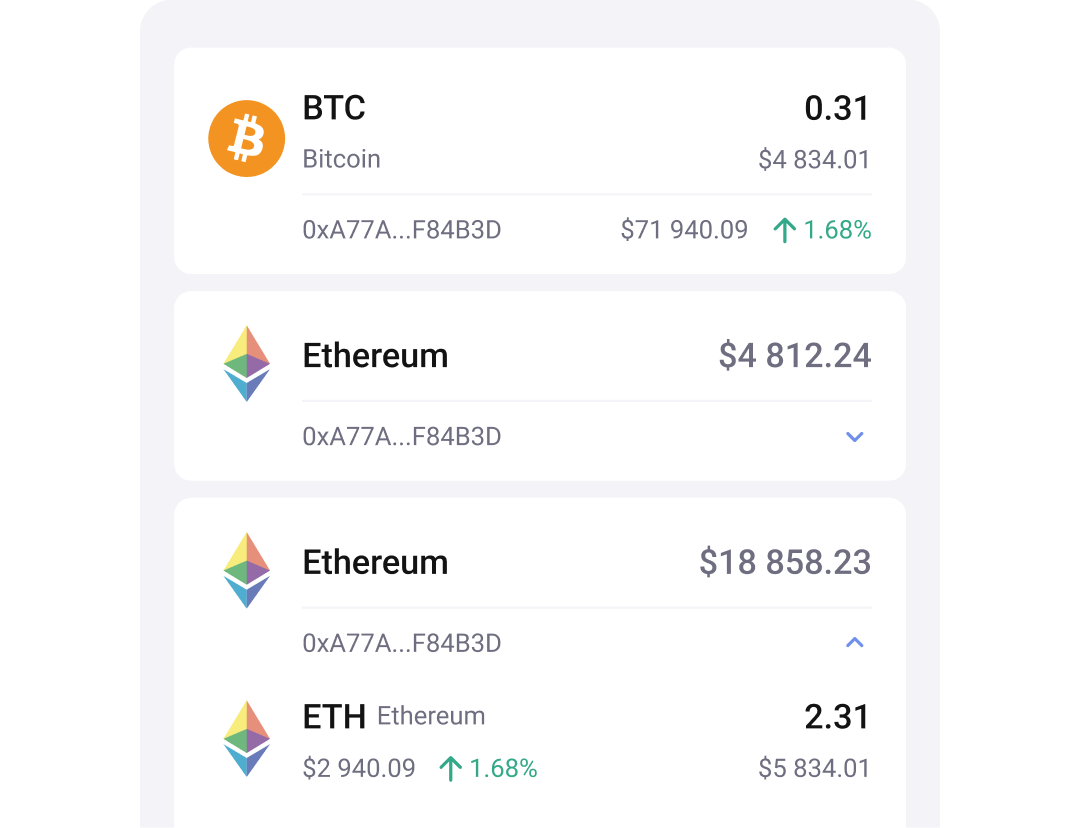
Mobile wallets are often the primary way to interact with cryptocurrency, and convenience is the biggest advantage. Balances, transactions, and asset transfers are available directly from a smartphone. It is also useful for everyday transfers—you can receive funds via QR code scanning. Guarda supports both Android and iOS devices for you to manage RVN from either ecosystem.
But since smartphones often contain financial applications and personal information, take device security very seriously.
Online and Web Wallets for Ravencoin
Web wallets focus on accessibility. They can be reached from almost any internet-connected device and usually require almost no setup compared to desktop or hardware solutions. For beginners, those wallets are the easiest way to start.
At the same time, web wallets introduce additional security considerations. Good online security practices become especially important when using web wallets. Because they depend on online access, phishing attacks become a greater concern. Fake login pages, fraudulent browser extensions, and impersonation scams remain among common threats across the industry. Convenience can be valuable, but it should never replace basic security habits.
Safety measures when using any Ravencoin web wallet:
- Verify URLs before logging in.
- Enable two-factor authentication.
- Use strong passwords.
- Avoid public Wi-Fi networks.
- Ignore unsolicited support messages.
- Review permissions carefully before approving actions.
Cryptocurrency involves risk. This article is for informational purposes only and does not constitute financial advice. Always conduct your own research before using any wallet or investing in digital assets.




 Google
Chrome
Google
Chrome Brave
Brave