Holo Wallet Introduction
A Holo wallet is the tool that allows users to store, manage, send, and secure their assets, all while engaging in the Holo community. HoloToken (HOT) functions as the entry point into the Holo ecosystem that develops around Holochain technology. At the same time, many community members continue to follow HoloFuel, the future transactional currency designed for Holo's hosting economy. In 2026, the Holo team was running more tests for HOT-to-HoloFuel migration infrastructure and laying down more of the groundwork for wider deployment. The transition remains more a long-term development than an immediate event. But wallet compatibility and secure asset management are still important for HOT holders.
A quality Holo wallet combines reliable storage with strong security features that protect assets from unauthorized access. Whether you hold HOT as an investment or follow the progress of the Holo closely, with the right wallet you have the foundation for everything that comes next.
What is Holo (HOT)?
HoloToken (HOT) is the cryptocurrency associated with the Holo ecosystem. It currently exists as an ERC-20 token on Ethereum, so you can store it in Ethereum-based wallets. HOT serves as a bridge between crypto architecture and Holo's future-oriented idea for distributed hosting and peer-to-peer applications.
The technology behind this idea is Holochain. Blockchains rely on a shared global ledger, but Holochain uses an agent-centric architecture. Instead of every participant validating every transaction, users maintain their own records and share information only when necessary. The goal is to create a more scalable framework for dApps and hosting services.
From a wallet perspective, HOT holders need secure storage, private key protection, and reliable access to their assets. Since HOT follows the ERC-20 standard, it's easy to find a compatible option, but many users also pay attention to future developments when they think about long-term storage methods.
Securing Your Holo Wallet
Most successful cryptocurrency thefts happen when someone gains access to recovery credentials. Most of the time it happens not because of wallet technology failure. HOT holders should protect those credentials as part of a routine. Consistency is key to securing your crypto.
Critical steps every HOT holder should implement:
- Store recovery phrases offline.
- Create multiple secure backups.
- Never share private keys or seed phrases.
- Verify wallet downloads before installation.
- Enable available authentication features.
- Keep software and devices updated.
- Confirm recipient addresses carefully.
- Avoid suspicious links and unsolicited messages.
- Consider hardware wallets for long-term storage.
Hardware wallets are advised because they provide one of the strongest security models available for long-term holdings. They keep private keys offline and require physical confirmation before transactions can proceed. Similar to a safe for digital credentials. Even if your main computer becomes compromised, the attacker cannot immediately authorize transfers without access to the device itself that can be safe in your pocket.
Security features protect user assets most effectively when combined. A backup phrase alone is not enough. Device security alone is not enough. Strong protection comes from layering several safeguards together.
Types of Best Holo Wallets
Certain users prioritize simplicity and quick access. Others want full protection for the assets they rarely move. The best Holo wallet depends on your plans to use HOT.
| Wallet Type |
Security Level |
Convenience |
Cost |
Compatibility |
| Hardware Wallet |
Very High |
Moderate |
Paid |
HOT and many ERC-20 assets |
| Software Wallet |
High |
High |
Usually Free |
Desktop and mobile support |
| Web Wallet |
Medium |
Very High |
Free |
Browser-based access |
| Exchange Wallet |
Medium |
Very High |
Free |
Built-in trading features |
Most Holo wallets support multiple cryptocurrencies alongside HOT and multiple blockchains alongside Ethereum. Those tools are made for broader portfolio management rather than single-asset storage.
Software Wallets for Convenient Holo Management
Software wallets appeal to users who want to act quickly but still control their assets through self-custody. Non-custodial software wallets allow you to manage private keys locally rather than handing control to a third party. Desktop and mobile wallets are convenient to send transactions with, monitor portfolios, and manage balances. The biggest task is maintaining device security. Because software wallets remain connected to the internet, users should treat updates, backups, and phishing awareness as essential parts of wallet management.
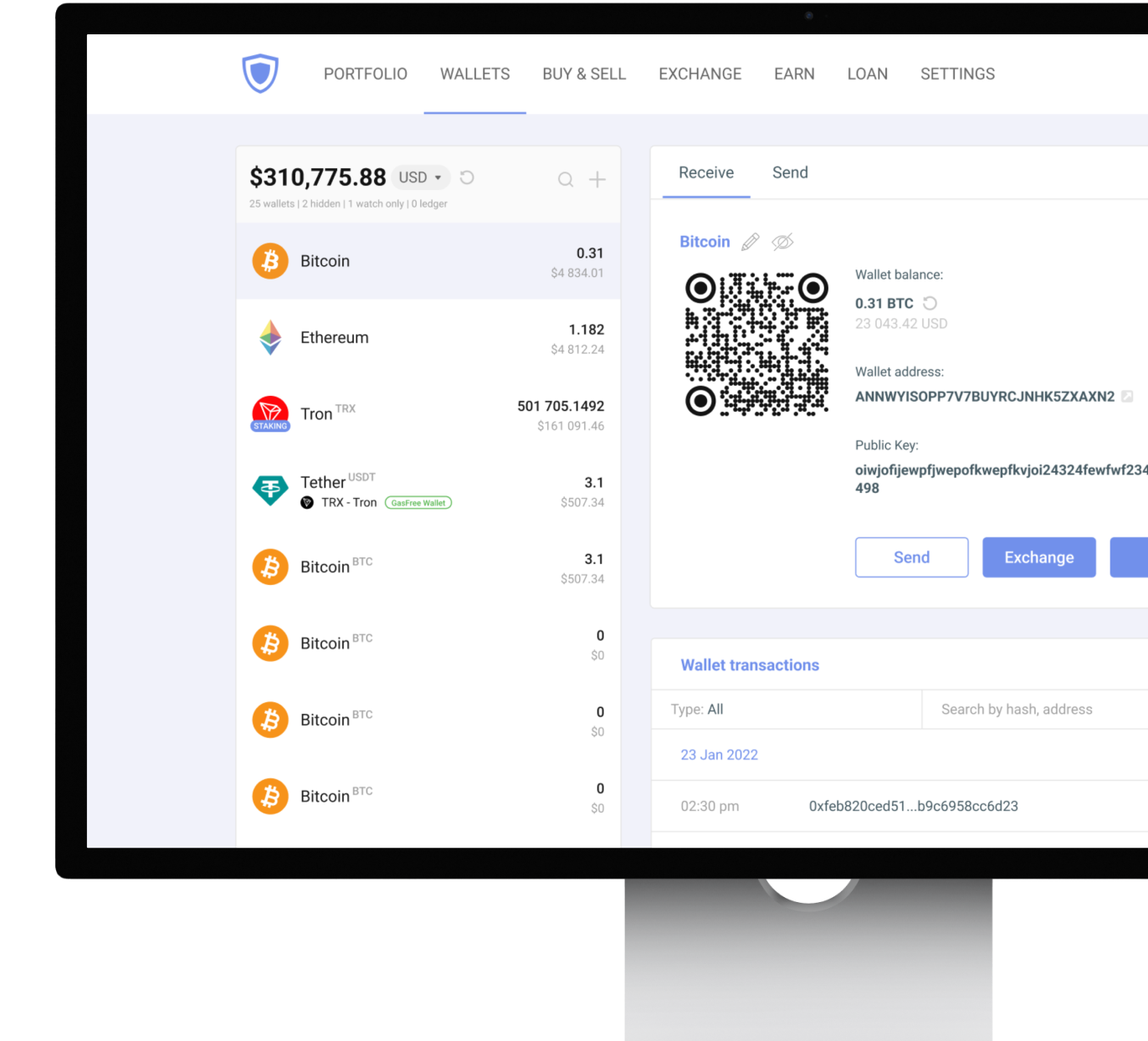
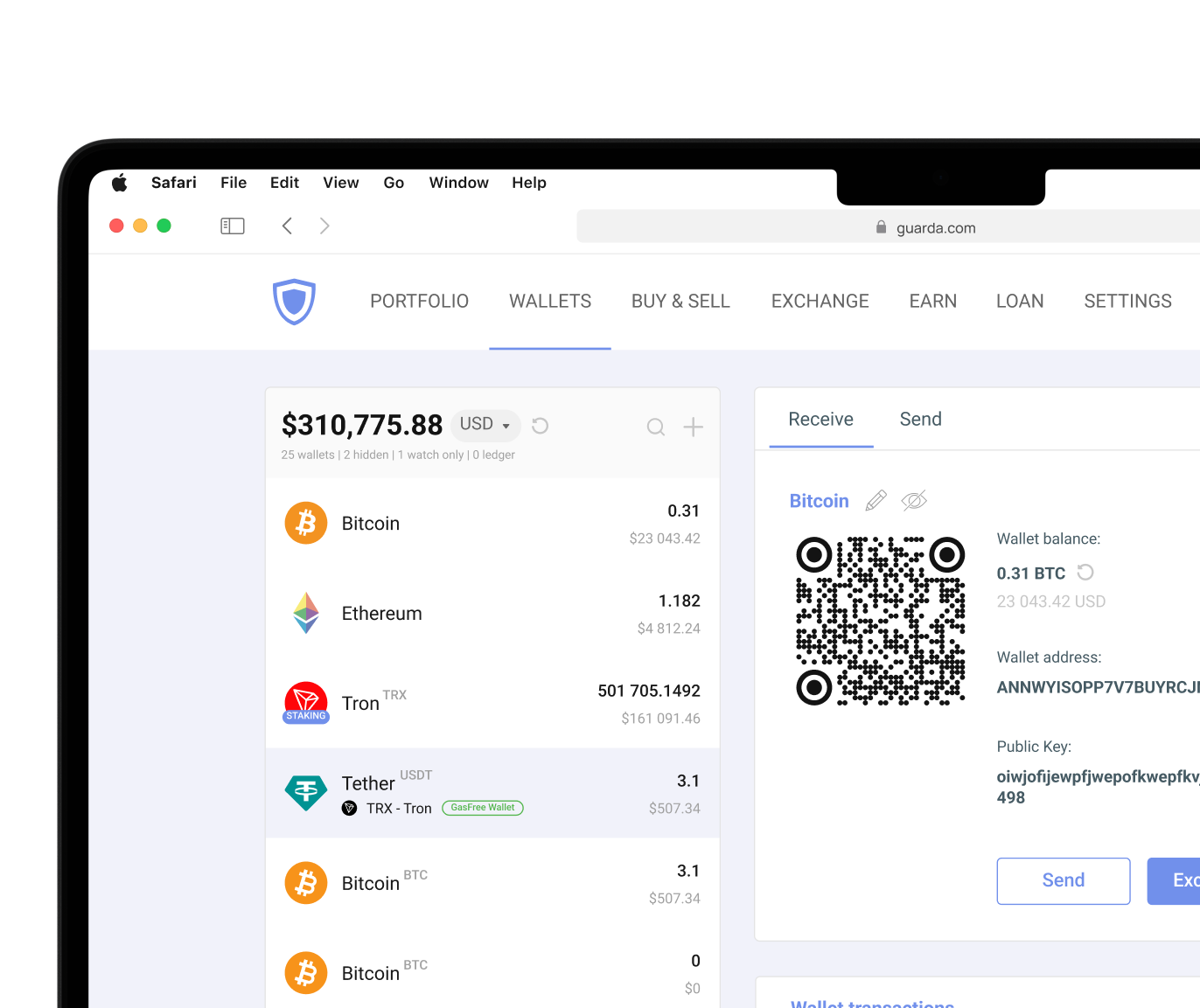
But the advantage is definitely flexibility. Guarda is one example of a software wallet. It supports HOT and self-custody across desktop, mobile, browser extension, and web environments. Users keep control of their private keys and manage HOT or any token out of 1M+ tokens from one app.
Web Wallets and Exchanges
Web wallets and exchange accounts often provide the fastest route into cryptocurrency. Users can buy, sell, and transfer HOT without installing additional software. Exchanges also simplify portfolio management for active traders who track volatility and regularly move between assets. In most cases, the platform controls the private keys rather than the user. If the service experiences downtime, account restrictions, or security issues, access to funds becomes temporarily (sometimes permanently) limited.
Take a look at security best practices for web wallets and exchanges:
- Enable two-factor authentication.
- Use unique passwords.
- Monitor login activity regularly.
- Withdraw long-term holdings to personal wallets.
- Verify official website URLs.
- Avoid storing large balances on exchanges.
For active trading, exchange wallets can be practical and safe if you hold just enough crypto to spend there. For long-term storage, many users prefer wallets where they control the keys themselves.
Hardware Wallets
Hardware wallets have one purpose, and it's protecting your private keys. They isolate them inside a specific physical device while non-custodial software wallets keep them on your phone or a personal computer. Every transaction requires confirmation through a button on a device. Altogether, it creates a significant barrier against malware, phishing attacks, and unapproved access.
Ledger is one of the most established hardware wallet providers that support ERC-20 assets, including HOT. It offers cold storage and Guarda integration, meaning private keys stay separated while the device signs transactions. If you want to trade frequently but also protect your savings, add a hardware wallet to your non-custodial software one.
Benefits of hardware wallets:
- Offline key management.
- Physical transaction confirmation.
- Reduced exposure to online threats.
- Long-term storage suitability.
- Support for multiple cryptocurrencies.
Considerations:
- Additional upfront cost.
- Less convenient for daily transactions.
- Recovery phrase management remains essential.
Cryptocurrency involves risk. This article is for informational purposes only and does not constitute financial advice. Always conduct your own research before using any wallet or investing in digital assets.