Cosmos Wallet Introduction
A Cosmos wallet is what allows you to access, manage, send, and receive the Cosmos native cryptocurrency ATOM. If you're planning to hold ATOM, stake it, or explore the Cosmos network, one of the first decisions you'll make is choosing a wallet.
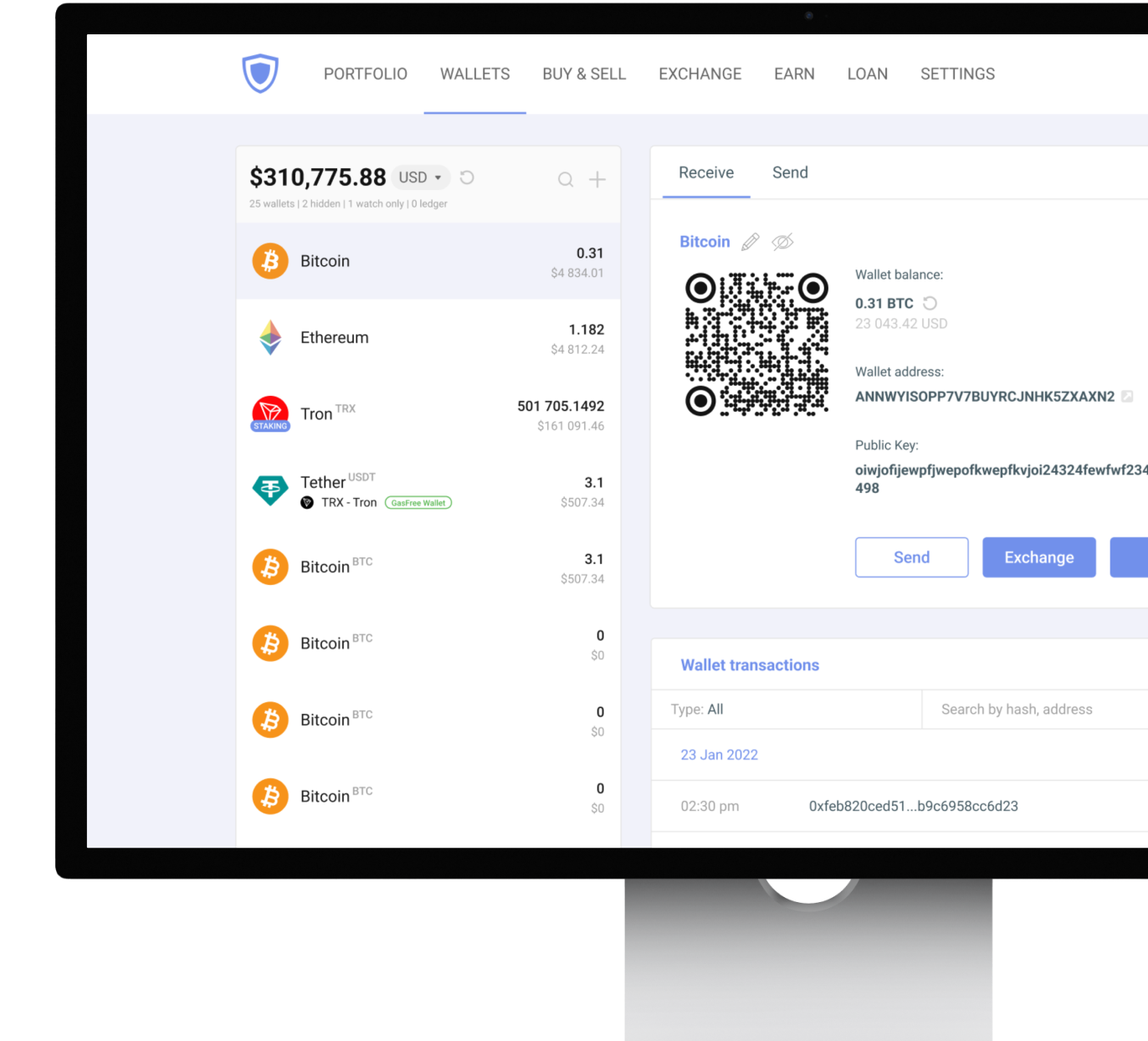
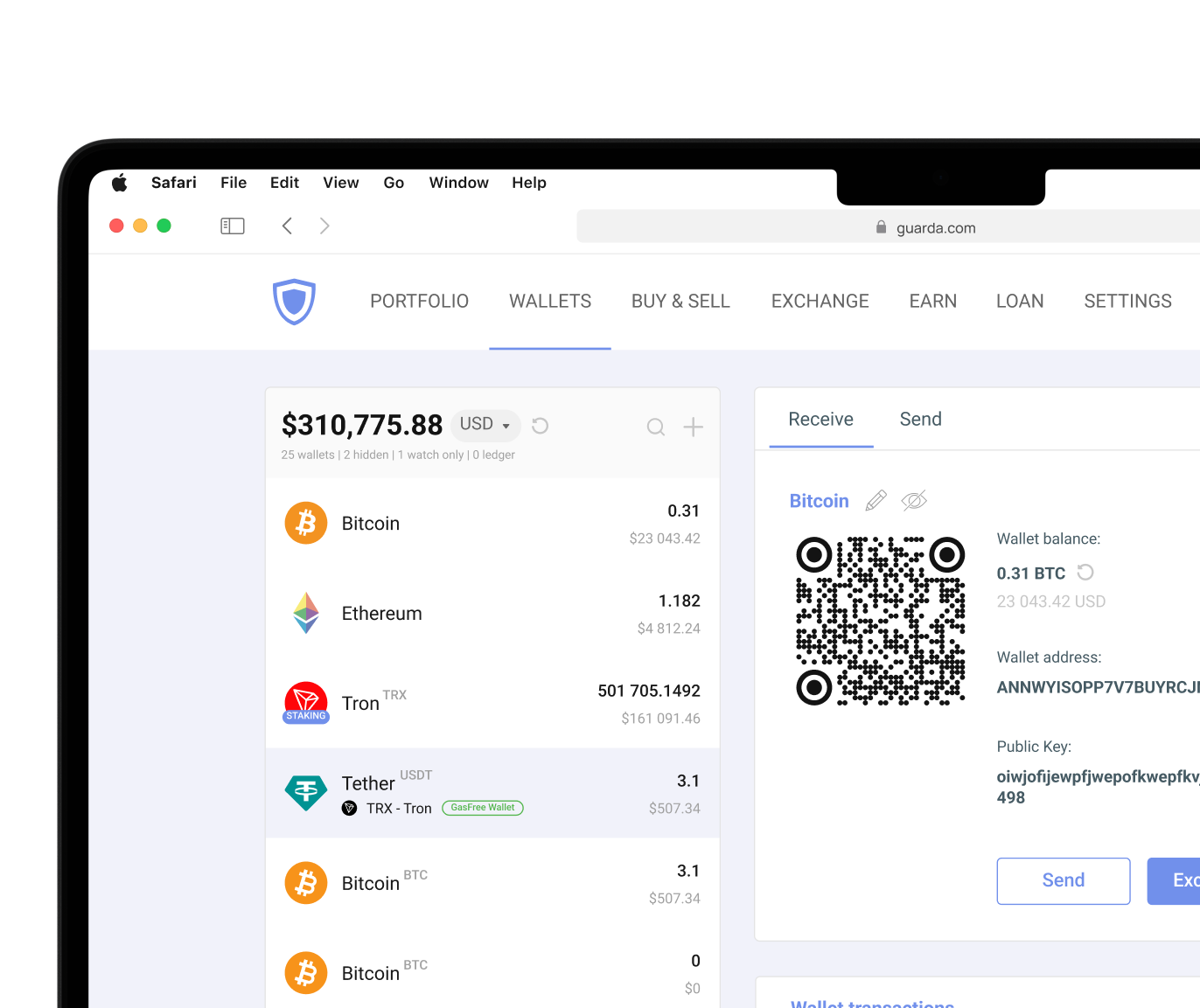
For many users, staking rewards are one of the main reasons to use a Cosmos cryptocurrency wallet in the first place. A non-custodial wallet allows you to delegate ATOM, earn staking rewards, and still maintain control over your digital assets. A non-custodial Cosmos wallet like Guarda gives users direct control over their private keys. That means you retain full ownership of your funds over Guarda desktop, mobile, or browser extension wallets and do not rely on a third party.
Behind every wallet is the Cosmos blockchain, a network designed to connect independent blockchains together. A wallet is more like an interface to interact with the blockchain where all the operations take place. The ATOM token secures the Cosmos Hub and plays an important role in staking and governance. Understanding how wallets, staking, and security work together can help you get much more out of the Cosmos environment.
What is Cosmos (ATOM)?
Cosmos is a blockchain network built around the idea that blockchains should be able to interact with one another instead of functioning in isolation. Many blockchain networks run like independent islands. Cosmos was designed to build bridges between them. Through blockchain interoperability and the Inter-Blockchain Communication (IBC) protocol, assets and information can move between participating networks.
ATOM is the native token of the Cosmos Hub. It is used for network security, staking, and governance. Validators and delegators use ATOM to help secure the network, while token holders can participate in protocol decisions through governance voting.
These features determine what users need from a Cosmos network non-custodial wallet. Beyond basic storage, the ATOM crypto wallet should be able to support staking, governance participation, and cross-chain transfers through IBC. A Cosmos blockchain wallet also relies on the same Tendermint-based security model that helps protect transactions.
Securing Your Cosmos Wallet: Best Practices
A non-custodial Cosmos wallet provides direct control over your private keys. The private key is a long string of characters that has a final word in authorizing blockchain operations on your behalf. That means nobody else can access your funds unless they use those details. In easy words, ATOM wallet security starts with proper and responsible credential ownership.
The most important security element is your seed phrase. During wallet creation, you'll receive a recovery phrase. That mnemonic combination of words is the only way to restore your wallet if your device is lost, stolen, or harmed. Treat the seed phrase and private key management as seriously as the funds themselves.
A few security habits make a significant difference:
- Store your seed phrase offline.
- Never share or put online your private keys or recovery phrase.
- Use strong and unique passwords.
- Enable two-factor authentication whenever available.
- Keep devices and wallet software updated.
- Verify wallet websites before entering credentials.
- Be cautious of phishing emails and fake support accounts.
What Makes Cosmos Different from Other Cryptocurrencies
Bitcoin was designed primarily as digital gold—a hard-to-mine but highly valuable blueprint. Ethereum expanded the concept through smart contracts and moving to a modular architecture. Cosmos focuses on helping independent blockchains work together. For wallet users, this means a Cosmos (ATOM) wallet becomes the primary place where staking, governance participation, and cross-chain activity happen.
The Cosmos blockchain enables cross-chain communication through IBC. It allows separate networks to exchange assets and data without relying on centralized intermediaries.
Several technologies make this possible:
- Inter-Blockchain Communication (IBC) Protocol
- Tendermint Consensus
- Sovereign Blockchain Architecture
- Proof-of-Stake Validation
- On-Chain Governance
Tendermint is a Proof-of-Stake consensus protocol that focuses on consistency rather than availability. The Cosmos PoS model allows validators and delegators to participate in securing the network through staking ATOM. ATOM as a native token helps secure the Cosmos Hub, enables staking rewards, and grants governance voting rights to holders.
Types of Cosmos Wallets: Finding Your Perfect Match
There isn't a single best Cosmos wallet for all users. Someone actively staking ATOM has different requirements than someone holding tokens for the long term. Security preferences, device usage, and staking goals all influence which wallet makes the most sense for your particular use case.
| Wallet Type |
Security |
Convenience |
Staking Support |
Best For |
| Hardware Wallet |
Very High |
Medium |
Yes |
Long-term storage |
| Software Wallet |
High |
High |
Yes |
Everyday use |
| Non-Custodial Wallet |
High |
High |
Yes |
Self-custody |
| Custodial Wallet |
Medium |
Very High |
Limited |
Beginners and exchanges |
The biggest distinction is often custody. Non-custodial Cosmos wallets provide private key control directly to users; custodial wallets place that responsibility in the hands of a third party. A second distinction is the storage method. Software or hot wallets interact with a blockchain directly, while hardware or cold wallets keep your private keys offline, interact with a blockchain from time to time, and protect credentials from online attacks.
Software Wallets: Balancing Convenience and Security
Most Cosmos users deal with software wallets on a daily basis because they are easy to use. Software wallets are available on desktop computers and mobile devices and combine accessibility with self-custody. A non-custodial software wallet allows you to manage ATOM, participate in staking, review transaction history, and access your crypto.
For many users, non-custodial software wallets offer the most practical balance between convenience and security. Guarda supports Cosmos through desktop and mobile applications, including Android and iOS devices, allowing users to manage ATOM whether they are at home or on the move.
To keep a software wallet secure:
- Use a dedicated device whenever possible.
- Avoid using public Wi-Fi networks when logging in.
- Enable all available security features.
- Install updates regularly.
- Back up your recovery phrase offline.
- Stay alert to phishing attempts and suspicious links.
Hardware Wallets
Hardware wallets are built to keep private keys offline by isolating sensitive credentials from internet-connected devices. Hardware Cosmos (ATOM) wallets are immune to malware and phishing attacks. This makes them a popular choice for users who hold ATOM for an extended period of time.
That said, hardware wallets are not ideal for every situation. Active traders and users who frequently move funds often prefer the convenience of a non-custodial software wallet. It is important to clarify that non-custodial does not automatically mean cold storage. A non-custodial wallet gives you control over your private keys. A hardware wallet provides cold storage by keeping those keys offline.
Many users combine both approaches: a non-custodial software wallet such as Guarda for everyday activity and a hardware wallet for long-term holdings. Guarda also supports integration with Ledger devices for users who prefer hardware-level security while maintaining access to their software wallet interface.
Web and Exchange Wallets
Web wallets and exchange accounts are often where users first encounter ATOM. They are easy to start and use, require minimal setup, and allow you to start buying, selling, and transferring assets almost instantly.
The trade-off is that most exchange wallets are custodial wallets. Unlike with non-custodial wallets, it is the platform that controls the private keys, while users access their funds through an account. This arrangement can be convenient, but it also introduces additional risks:
- The embodiment of the rule "Not your keys, not your coins"
- Staking options may be restricted
- Withdrawal limits may apply
- Accounts can be frozen
- Platform failures affect user access
- Security depends on the provider
For many users, exchange wallets are useful for instant trading. It means that the amount of crypto in the wallet is relatively small and meant to be spent in a short-term perspective. Long-term holdings are often better suited to a non-custodial Cosmos wallet where private key control remains entirely in the user's hands.
Cryptocurrency involves risk. This article is for informational purposes only and does not constitute financial advice. Always conduct your own research before using any wallet or investing in digital assets.




 Google
Chrome
Google
Chrome Brave
Brave