DAI Wallet Introduction
A DAI wallet stores the private keys connected to DAI holdings and provides access to the Ethereum blockchain. It allows users to send and receive funds, interact with DeFi protocols, and manage stablecoin balances without relying on a centralized financial institution. Choosing the right wallet affects both security and how efficiently DAI can be used across the broader decentralized finance ecosystem.
Volatility has always been one of the biggest challenges in cryptocurrency. The sharp price movements digital assets can experience make them hard to use for everyday payments, savings or long-term financial planning. To solve that problem MakerDAO created DAI. DAI is designed to be as close to one US dollar as possible but at the same time fully integrated with the blockchain ecosystem. Over the years, it has become one of the most used assets across decentralized finance, where users use it for lending, borrowing, trading, liquidity provision and payments.
To access and manage DAI, users need a DAI coin wallet. A DAI wallet is the interface between you and the Ethereum blockchain. Secure storage, daily transactions, and decentralized finance participation are all good use cases for DAI, but the choice of wallet is important for security and usability.
What is DAI?
DAI is a decentralized stablecoin created and launched by MakerDAO in 2019. It is built on the Ethereum blockchain. Unlike many cryptocurrencies whose value changes constantly, DAI maintains a price close to one US dollar.
The mechanism behind DAI is not based only on fiat reserves of a centralized company. DAI is backed by crypto collateral locked inside smart contracts. This structure helps the system to be fully decentralized. Plus, preserve stable prices through a mix of collateral guidelines, governance mechanisms, and market incentives.
Because DAI exists on Ethereum, it moves freely across decentralized applications, exchanges, lending protocols, and payment systems. And it does this as easily as one of the key assets within decentralized finance. DAI provides many of the stability benefits associated with traditional money but still preserves the transparency of blockchain technology. A DAI coin wallet gives the freedom to store, manage, and use DAI throughout that ecosystem.
Securing Your DAI Wallet
DAI may be designed for stability, but wallet security still depends on the same basic principles that protect every crypto wallet. The most important parts of any non-custodial DAI wallet are the private keys and the seed phrase. Private keys require very secure storage. They are the only credentials allowed to authorize transactions and prove ownership of funds.
The seed phrase serves as the default backup capable of restoring the wallet if the user loses control of their device. Basically it represents the private keys in readable mnemonic form. Instead of the line of 50+ random characters, you see 12-24 words that are way easier to write down or even to remember.
Essential DAI Wallet Security Practices
- Store your seed phrase offline.
- Never share private keys with anyone.
- Create backups in multiple secure locations.
- Use strong and unique passwords.
- Enable two-factor authentication whenever available for an additional security layer.
- Verify website addresses before connecting your wallet.
- Keep wallet software updated.
- Stay alert to phishing attempts and fake support accounts that can affect your private key security.
- Review transaction details before approval.
- Avoid storing recovery phrases in cloud services or screenshots.
Users who interact regularly with decentralized finance should be particularly cautious when connecting wallets to third-party applications. Always verify the legitimacy of protocols before granting wallet permissions.
Types of DAI Wallets: Finding the Right Fit
DAI can be stored in several cryptocurrency wallet formats that are supported by multiple platforms. Someone actively lending or trading through DeFi protocols usually values accessibility and self-custodial options. Someone holding a long-term balance as a digital dollar alternative may place greater focus on offline protection. Most users eventually mix up multiple wallet types for different purposes and use whatever they need at the moment.
Before choosing a DAI wallet, think about a few practical factors:
Security
Does the wallet give you control over your private keys and recovery phrase? Are additional protections such as biometric authentication or hardware wallet integration available?
Convenience
Will you primarily access DAI from a smartphone, desktop computer, browser extension, or multiple devices?
Features
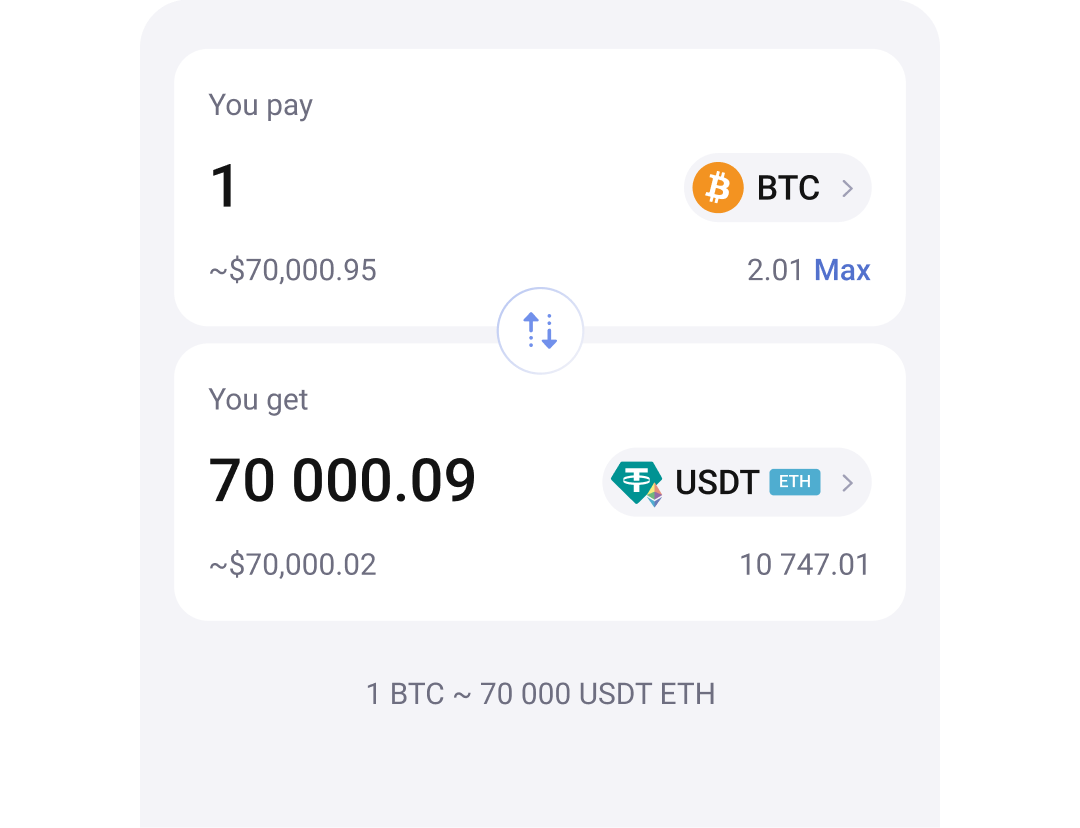
Does the wallet support the activities you plan to use DAI for, such as transfers, DeFi participation, asset swaps, or portfolio management?
Compatibility
Can the wallet work across your preferred operating systems and devices? Does it support Ethereum-based applications and services you regularly use?
Mobile DAI Wallet Solutions
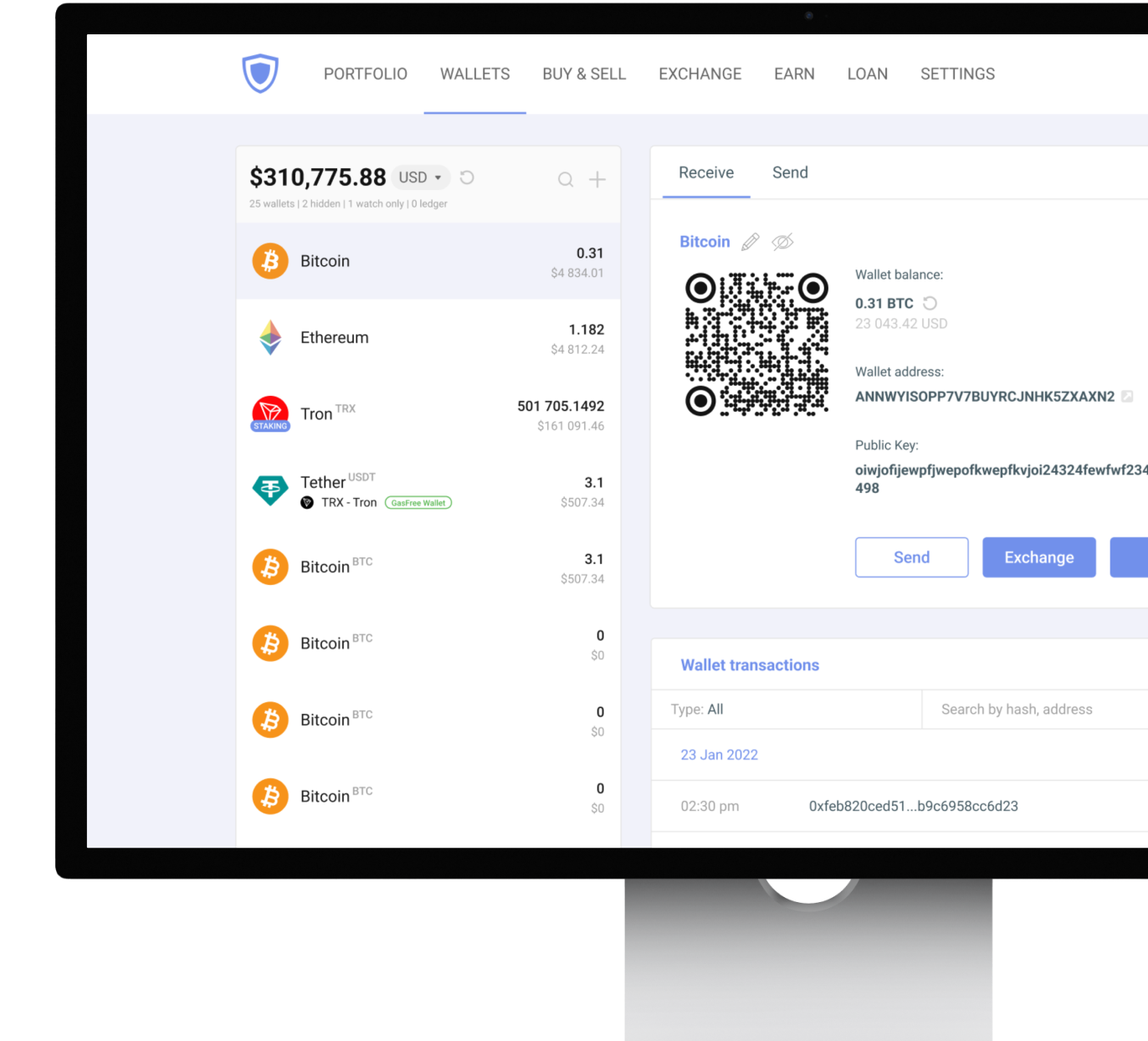
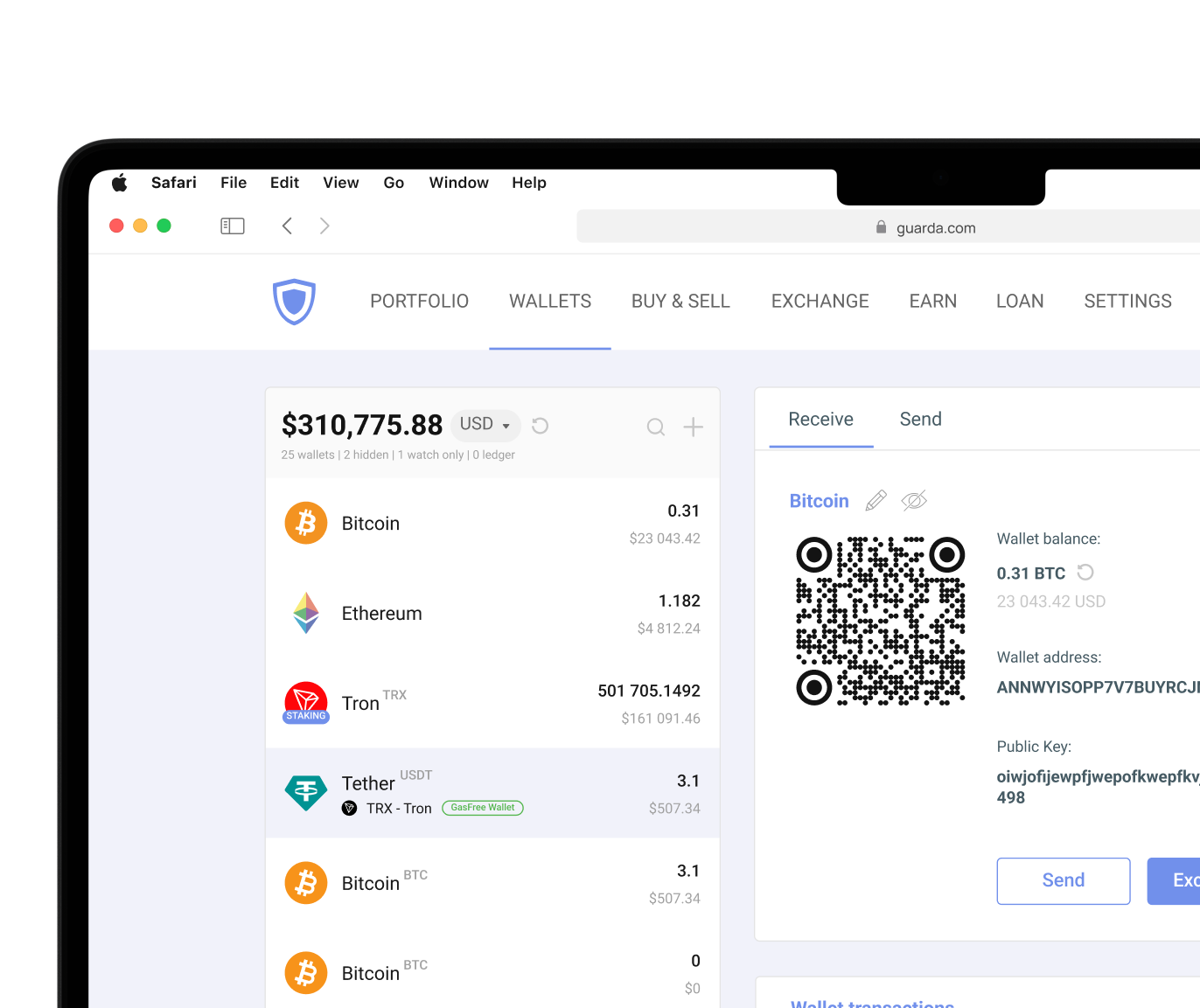
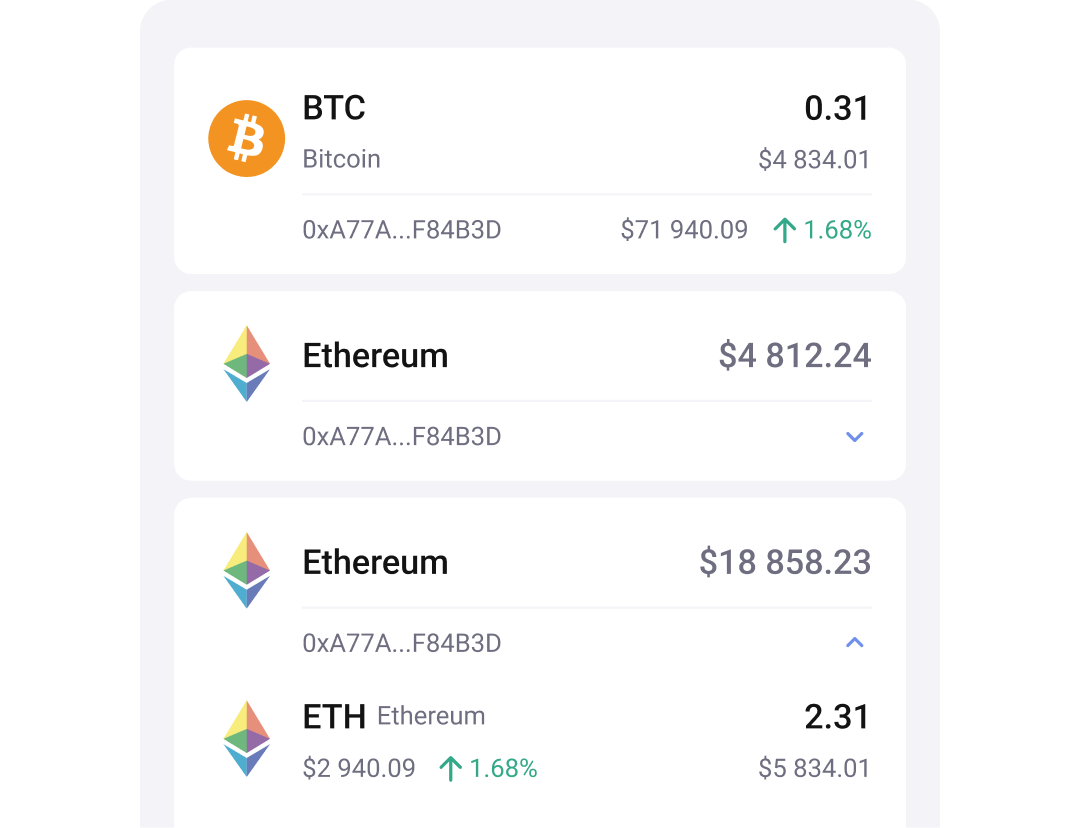
Most people interact with DAI through a software wallet on their smartphone. Non-custodial mobile wallets like Guarda combine accessibility with self-custody, making them one of the most practical ways to manage a decentralized stablecoin on a daily basis.
A software wallet running on Android or iOS opens the doors for you to DAI balances, transfers, DeFi protocols, and account management directly from a pocket. The convenience factor is difficult to ignore. A mobile wallet keeps DAI available wherever you are, when you're sending payments, checking balances, or interacting with decentralized finance applications.
Guarda supports DAI on both Android and iOS and ensures consistency across platforms. Mobile wallets also benefit from additional security measures such as biometric authentication, device encryption, PIN protection, and recovery phrase backups. Mobile wallets prioritize convenience and require responsible actions. A secure device, regular software updates, and careful recovery phrase storage are the bare minimum for protecting digital assets.
Desktop and Browser Extensions for DAI Management
Software wallets are also available as desktop applications and browser extensions. These formats often appeal to users who spend more time managing assets from a computer or interacting with decentralized finance platforms through a web browser.
Desktop software provides a larger workspace for portfolio management, transaction reviews, and asset tracking. Browser extensions bring DAI directly into the browser environment and simplify access to Ethereum-based applications. Many DeFi users prefer browser extensions for Chrome and Firefox because they reduce the number of steps it takes to connect to protocols, exchanges, and decentralized services.
Browser-based wallets remain connected to the internet. Users should verify websites before connecting wallets, review permissions carefully, and stay alert to phishing attempts imitating legitimate DeFi platforms.
Hardware Wallets
Unlike software wallets, a hardware wallet keeps sensitive credentials isolated inside a dedicated physical device through offline storage. Transactions can still be approved when needed, but the private keys never leave the secure environment. This approach significantly reduces exposure to malware, phishing attacks, and other online threats.
Cold storage is often misunderstood in cryptocurrency talks. A non-custodial wallet gives users control over their assets, but that does not automatically make it cold storage. Hardware wallets provide cold storage because the private keys remain offline between transactions. Ledger, for example, is among the most widely recognized hardware wallet providers. Ledger devices can also be integrated with Guarda Wallet, combining offline private key protection with the flexibility of a software interface.
For long-term DAI storage, hardware wallets provide one of the strongest security models available. For active DeFi participation and everyday transactions, software wallets remain more practical. Many experienced users combine both approaches and use each for the purpose it serves best.
Cryptocurrency involves risk. This article is for informational purposes only and does not constitute financial advice. Always conduct your own research before using any wallet or investing in digital assets.




 Google
Chrome
Google
Chrome Brave
Brave