Monero Wallet Introduction
Unlike most cryptocurrencies, Monero (XMR) was built to keep transaction details private by default. It achieves this through built-in privacy ledger technology that protects transaction information on the blockchain. A Monero wallet stores the private keys that control your funds, works with Monero's privacy features, and enables almost anonymous transactions by allowing users to securely send and receive XMR on the network.
When you are holding a private coin like Monero (XMR), secure storage should implement the same privacy technology. The right wallet helps protect your private keys, gives you full control over your funds, and lets you enable the most anonymous transactions on the market so far.
What is Monero (XMR)?
Monero (XMR) is a cryptocurrency focused on financial privacy. Since its launch in 2014, it has become one of the best-known privacy coins in the crypto space.
Monero has its built-in privacy technologies. While many blockchains make transaction details publicly visible, like Bitcoin or Ethereum, for example, Monero is designed to keep confidential every valuable detail in the transaction. Monero hides the sender with ring signature technology, the receiver via stealth addresses, and the amount of XMR sent with RingCT. Because of this unique architecture, Monero requires specialized wallet software developed to support this network specifically.
Who Uses Monero? Typical Use Cases
People use Monero for many of the same reasons they use other cryptocurrencies—payments, transfers, savings, and investing. The only difference is that Monero adds an extra layer of privacy for those who need it.
Even though no crypto is fully anonymous, Monero gets the closest to the goal. Some users simply don't want their financial activity on a blockchain for everyone to see. Others use XMR for business payments, freelance work, international transfers, or personal wealth management in highly restrictive jurisdictions as a part of financial freedom. In each case, Monero is the most private option, and its almost anonymous transactions help keep sensitive information private.
What Makes Monero Wallets Different?
Monero wallets are built around privacy technology that automatically protects transaction data. Traditional crypto wallets often interact with transparent blockchains where transaction history can be analyzed by anyone.
Compared to a Bitcoin (BTC) wallet, a Monero (XMR) wallet is designed from the start with privacy as a core function rather than an optional feature. Ring signatures, stealth addresses, and RingCT are integrated directly into the Monero network and supported by compatible wallets. As a result, users don't need to manually enable privacy settings or use additional tools to protect their activity.
Monero's Privacy Technology
Monero's privacy model relies on several technologies working together behind the scenes.
Ring signatures help hide the transaction sender. You can think of them as signing a document within a crowd—observers on a blockchain explorer can see that someone signed it, but not exactly who.
Stealth addresses protect transaction recipients. The Monero wallet generates unique one-time addresses for every transaction. This prevents outsiders from linking payments to a public wallet address.
RingCT (Ring Confidential Transactions) hides the transaction amount. Even if someone can see that a transaction occurred, they can't determine how much XMR was transferred.
Together, these technologies create a privacy system where senders, recipients, and transaction amounts stay confidential.
Types of Monero Wallets: Finding Your Perfect Match
Hardware wallets, software wallets, and mobile wallets are all types of Monero wallets designed for different use cases. There is no one Monero wallet that is best for all of them. The right choice for you will depend on how often you transact with XMR, how much you store, and the importance of convenience versus security.
| Wallet Type |
Security |
Convenience |
Best For |
| Hardware Wallet |
Very High |
Medium |
Long-term storage |
| Desktop Software Wallet |
High |
High |
Regular XMR use |
| Mobile Wallet |
Medium-High |
Very High |
Everyday transactions |
| Web Wallet |
Medium |
High |
Quick access and trading |
| Paper Wallet |
High |
Low |
Low-cost alternative for a long-term storage |
In general, out of all types of Monero wallets, hardware wallets offer the strongest protection. A paper wallet is an offline storage method that keeps Monero private keys on a physical document rather than a connected device. But software wallets and mobile wallets provide faster access to funds.
Software Wallets: Desktop and Mobile Solutions
The non-custodial software wallets are often the most practical choice for everyday Monero users. They combine strong privacy features with easy access to funds. Plus, software wallets are often completely free to use.
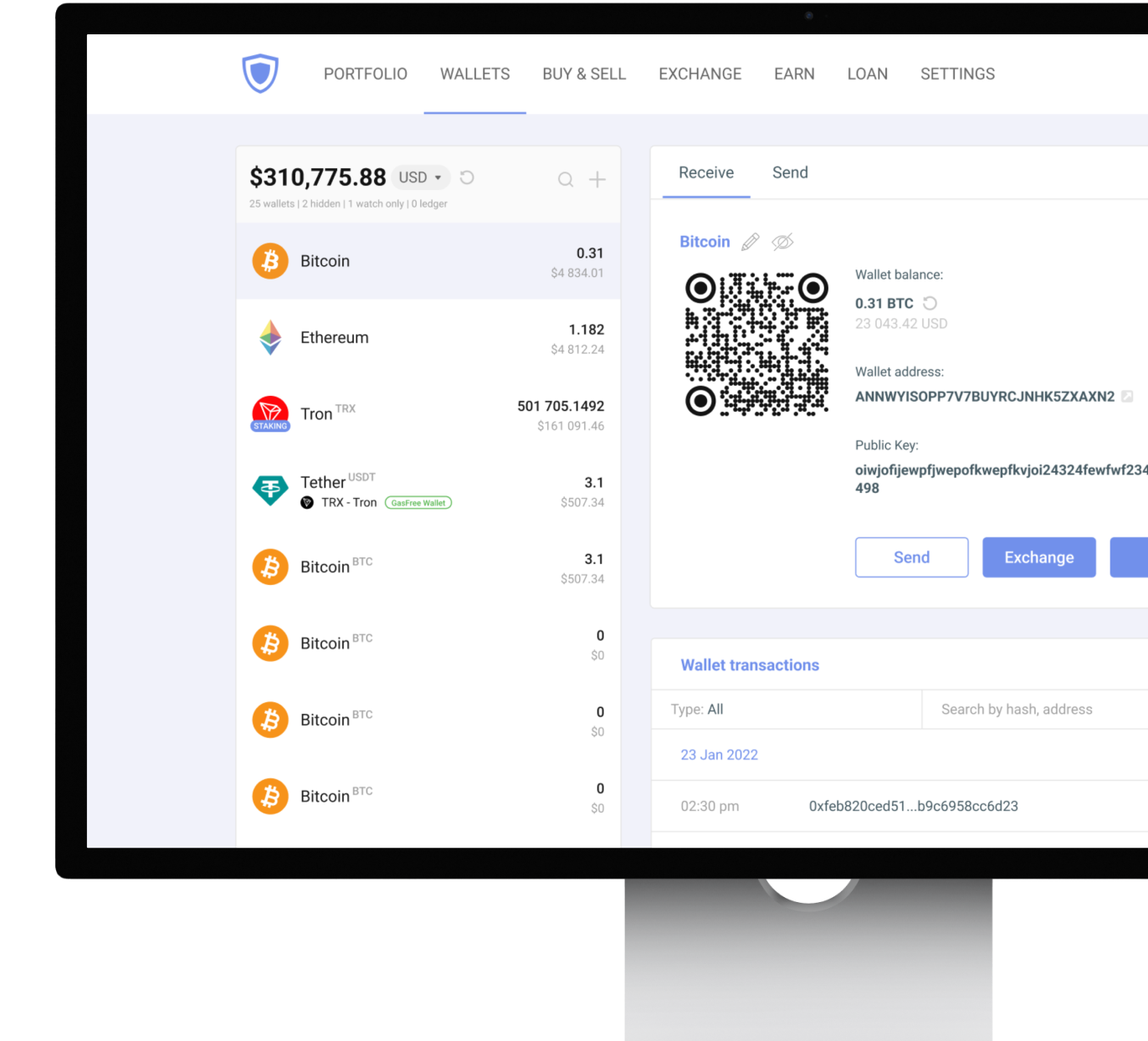
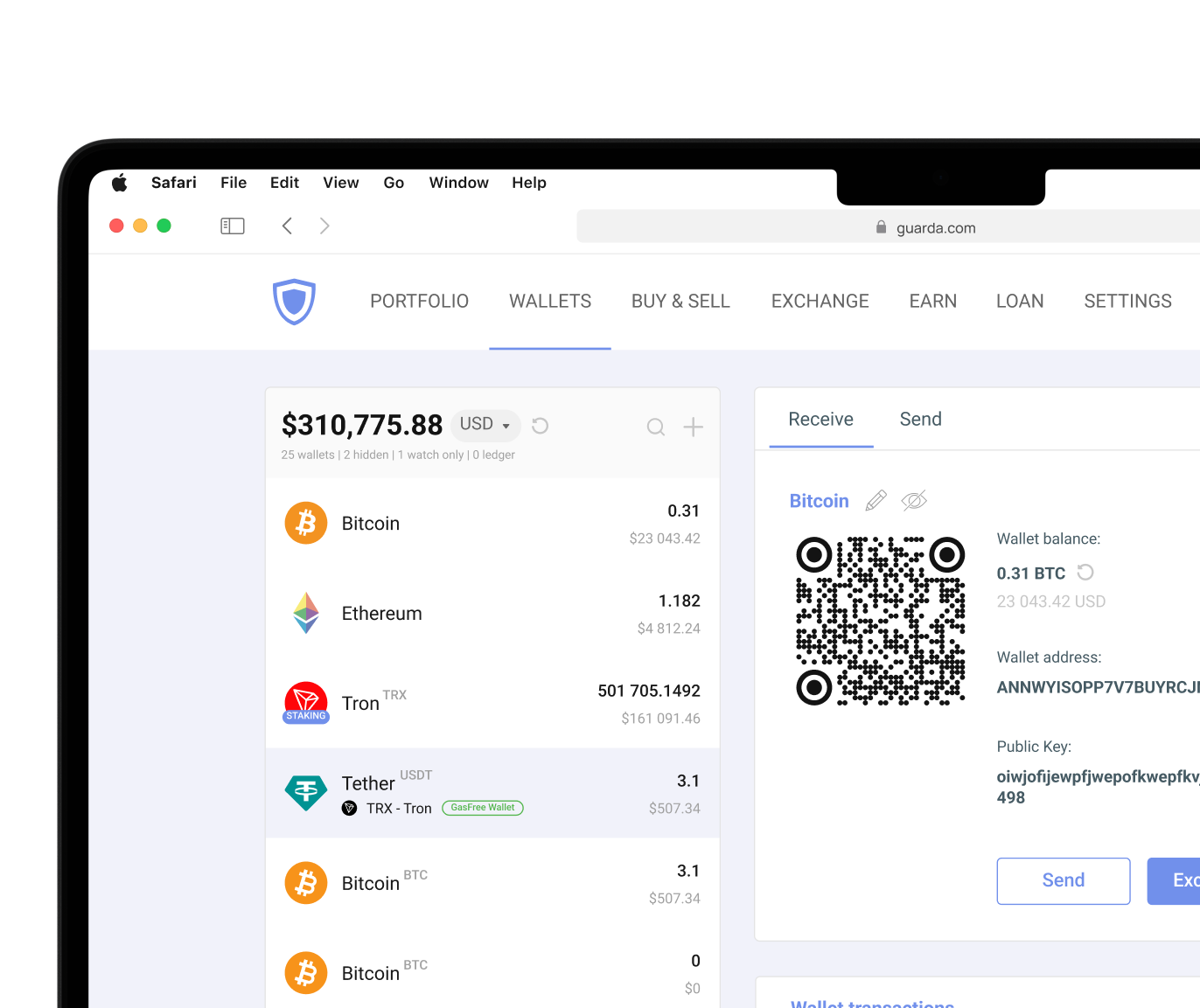
Desktop Monero wallets by Guarda are available for Windows, Mac, and Linux users. For users who prefer instant mobile access, Monero mobile wallets offer managing funds directly from a smartphone. Guarda has options for iOS and Android as well. Mobile wallets make it easy to send and receive XMR while traveling or handling day-to-day transactions.
Hardware Wallets as a Security Option
Hardware wallets are physical devices that keep private keys offline, making them a popular option for long-term cryptocurrency storage. By isolating sensitive data from internet-connected environments, they can reduce exposure to certain online threats.
But hardware wallets are not the things that fix every problem. For everyday crypto transfers, users still choose non-custodial software wallets such as Guarda. They offer faster access to funds, simpler portfolio management, and seamless interaction with blockchain applications. In practice, wallet security depends not only on the storage method but also on user habits.
How to secure your wallet:
- Store your seed phrase offline and never share it with anyone.
- Use a strong, unique password to protect wallet access.
- Enable all available security features offered by your wallet.
- Verify wallet websites, links, and applications before entering sensitive information.
- Double-check recipient addresses before approving transactions, since blockchain transactions are irreversible.
- Keep your device, browser, and wallet software updated.
- Be cautious of phishing messages, fake support accounts, and suspicious downloads.
Whether you use a software wallet for daily activity or a hardware wallet for long-term storage, following basic security practices remains the most effective way to protect your assets.
Web Wallets and Exchange Options
Web wallets are the easiest way to access XMR from almost any device if it has an internet connection. Most options are provided through cryptocurrency exchanges or browser-based services that handle much of the technical setup for you.
Even though it is very convenient, the tradeoff is security. When you are using a web wallet or crypto exchange wallet, you typically don't control the private keys by yourself. Instead, you're entirely trusting the provider to secure your funds. While this can be useful for active trading and temporary storage of smaller balances, it introduces additional risk compared to self-custody wallets, like Guarda.
For long-term holdings, non-custodial Monero wallets are the safer choice.
Cryptocurrency involves risk. This article is for informational purposes only and does not constitute financial advice. Always conduct your own research before using any wallet or investing in digital assets.




 Google
Chrome
Google
Chrome Brave
Brave